If you are looking beyond Aspen’s tighter in-town footprint, Woody Creek stands out for a different reason: space. Here, the appeal is not packed amenities or walkable blocks. It is larger land holdings, a stronger sense of privacy, river context, and a rural ownership experience that feels intentionally separate from suburban sprawl. If you want to understand what makes Woody Creek compounds distinct, and what to evaluate before you buy or sell, this guide will walk you through the essentials. Let’s dive in.
Why Woody Creek Feels Different
Woody Creek is a rural, low-density part of Pitkin County shaped by a master plan that emphasizes open space, agriculture, wildlife habitat, slow growth, and limited commercial development. It is not positioned as a conventional town center, and it is not near a major employment hub or transportation corridor. That planning framework helps explain why the area appeals to buyers who value seclusion and land over convenience.
The county also intends for the roads to remain rural in character. In most places, that means two-lane roads without paved shoulders, minimal safety upgrades, and preserved open views. For you as a buyer, that translates into a setting that feels deliberately understated and protected rather than built out.
What “Compound” Means in Woody Creek
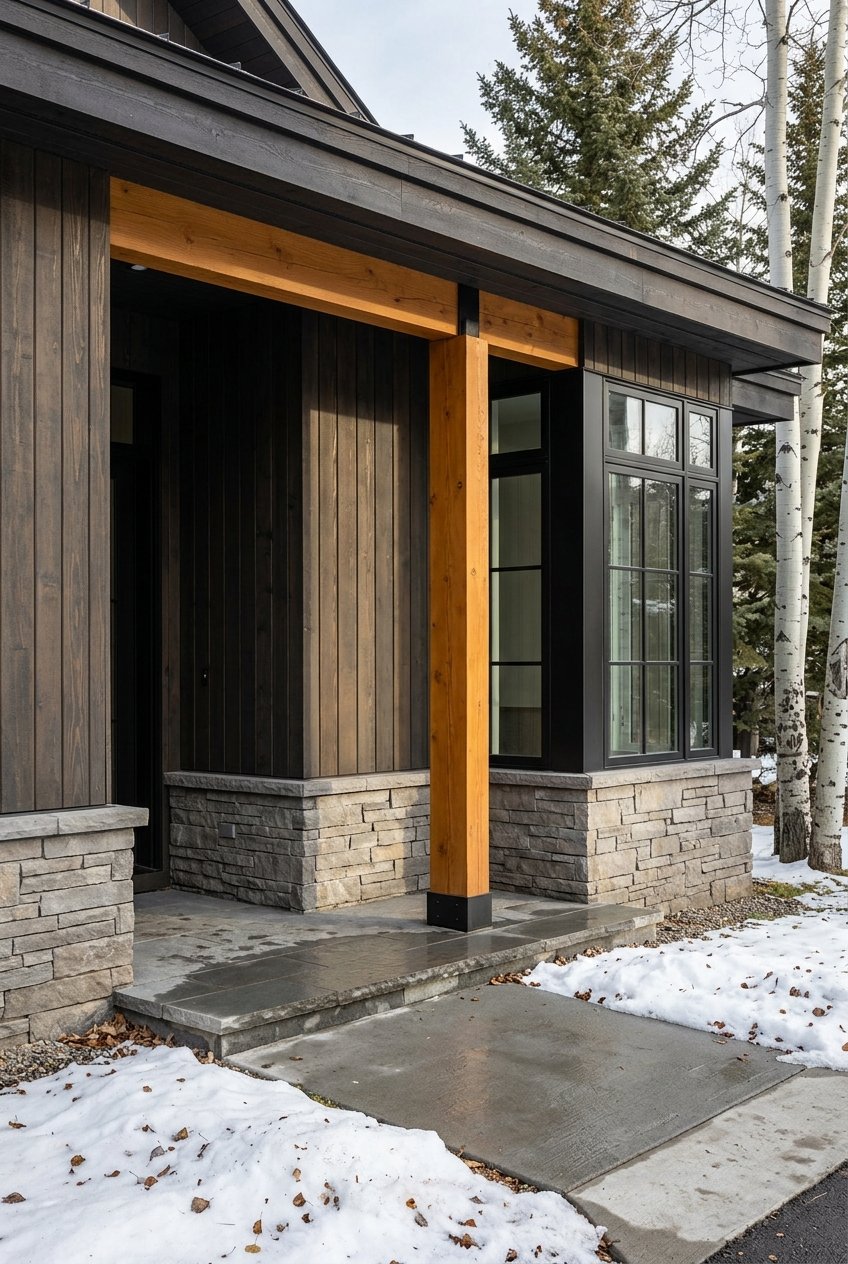
In Woody Creek, a compound usually means more than a large house. It often points to a property with meaningful acreage, separation between structures, and room for a broader ownership program that may include guest accommodations, agricultural uses, equestrian features, or accessory buildings, depending on the specific property.
That pattern is rooted in local land-use rules. Pitkin County’s Woody Creek plan refers to a minimum density of one unit per two acres, site-specific septic systems, and a general preference against rezoning for higher density. In practical terms, those conditions support scattered low-density homes rather than multifamily projects or tighter subdivision-style development.
This is one reason Woody Creek attracts interest from buyers seeking legacy-style holdings. The area can support a more expansive ownership experience than many Aspen-area locations, but the opportunity comes with a need for careful due diligence around land use, utilities, and access.
Larger Parcels Drive the Lifestyle
The defining feature of many Woody Creek properties is land. Instead of prioritizing proximity to a dense amenity base, buyers here often focus on acreage, natural buffers, and how a property sits within the landscape. That can create a strong sense of privacy while still keeping Aspen within reach.
The range of holdings can be significant. Recent reporting highlighted a 244-acre Woody Creek ranch with seven homes, an 1880s log cabin, and more than 60 acres of irrigated pasture. While that represents the high end of the market, it illustrates the scale that can exist here and why Woody Creek is often discussed in terms of compounds, ranches, and estate-style ownership.
The area’s rural character also has agricultural roots. Pitkin County describes traditional uses in Woody Creek as hay, alfalfa, grains, potatoes, cattle, and horses, and it ties that character to the protection of water rights. If you are comparing parcels, that agricultural context can matter just as much as square footage.
River Access Adds Value, But With Rules
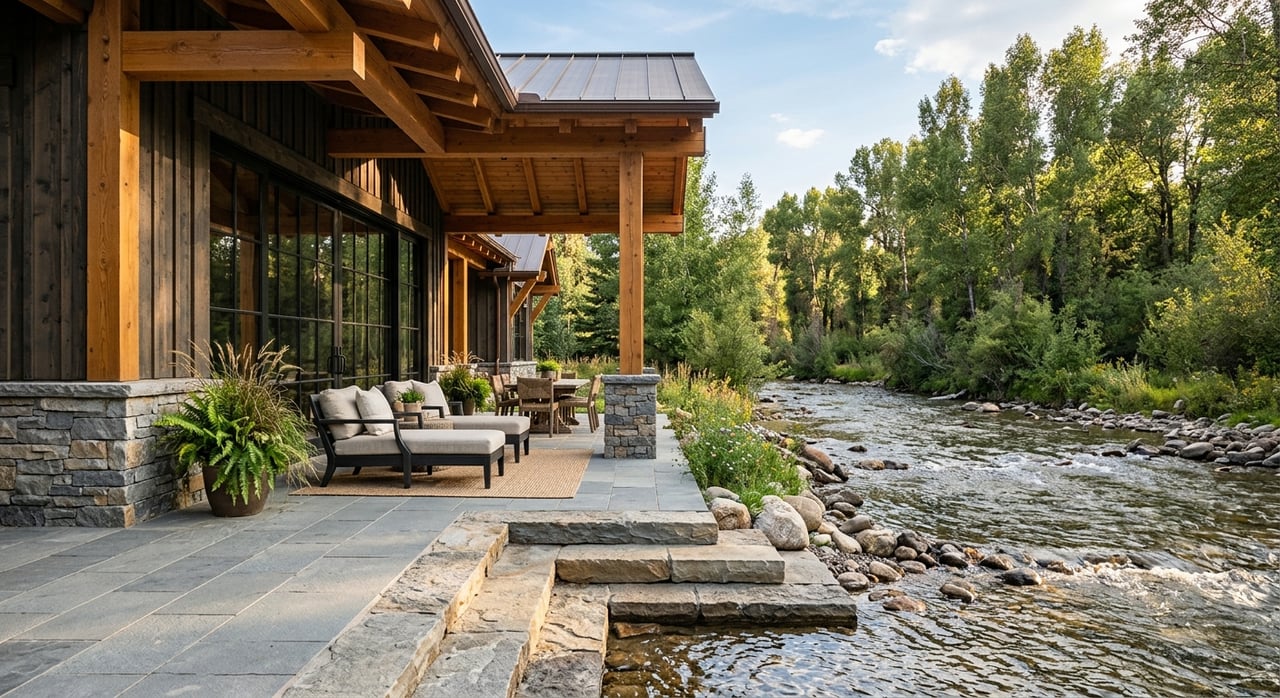
River access is one of Woody Creek’s strongest lifestyle draws, but it is important to define the term carefully. The area sits within the Roaring Fork Gorge corridor, which Pitkin County describes as a popular stretch for rafting, kayaking, and angling. Wilton Jaffee Sr. Park near Woody Creek includes a boat ramp used by people taking out of the river or launching for downstream floats.
For buyers, the key point is that river frontage and river access are not the same thing as unrestricted private use. Pitkin County manages access in the broader corridor through designated routes and rules that prohibit stopping, beaching, or exiting outside approved areas. If a listing emphasizes river proximity, you will want to verify what kind of access is actually permitted and how that affects day-to-day use.
That distinction can influence value and expectations. A property near the river may offer scenery, sound, and immediate connection to the landscape, while legal and practical access may still depend on designated public points and county rules. In Woody Creek, details matter.
Outdoor Setting Is Part of the Appeal
The river is only part of the outdoor story. Pitkin County notes that the Rio Grande Trail through the Gorge is used year-round for bicycling, walking, running, and Nordic skiing. The same area is also known for wildlife habitat and a wild trout population, which reinforces the sense that Woody Creek’s setting is an active part of ownership, not just a backdrop.
For many buyers, this is where the value proposition becomes clear. You are not simply buying a house near Aspen. You are buying a more rural ownership profile tied to land, open space, trail access, and the visual calm that comes with lower density.
Daily Life in Woody Creek
Woody Creek is rural, but it is not empty. The Woody Creek Tavern is the most visible dining anchor and has been part of the area since 1980. Pitkin County also identifies the community center, post office, firehouse, and Aspen Community School and Community Preschool as important public-use anchors.
That said, the service footprint remains intentionally limited. The county discourages new commercial expansion, commercial lodging, and venue-style use of residential or agricultural property. If you choose Woody Creek, you are choosing a community that protects its rural form rather than expanding into a broader retail or hospitality node.
The community center adds an important layer to the local picture. According to the county, it has hosted affordable health care services, arts and culture events, book readings, local artist exhibits, and music. That helps explain why Woody Creek can feel secluded without feeling disconnected.
Getting to Aspen From Woody Creek
Woody Creek works best for buyers who are comfortable trading walkability for land and privacy. The Woody Creek turnoff is about 7 miles west of Aspen on Highway 82, according to the U.S. Forest Service. RFTA also serves Woody Creek with a free daily route connecting to Brush Creek Park & Ride, with Woody Creek and City of Aspen crosstown service set to resume in summer 2026.
In practical terms, that means Aspen is accessible, but not at your doorstep in the way it is from an in-town residence. For some buyers, that is the entire point. The short drive or bus ride preserves access to Aspen while allowing you to live in a setting with a much different rhythm.
What Buyers Should Evaluate Closely
Woody Creek purchases often require more technical review than a typical in-town transaction. The market’s appeal is tied to larger parcels and rural conditions, which means several property-specific questions deserve close attention early in the process.
Here are some of the most important items to evaluate:
- Water rights: These can be especially relevant on ranch or agricultural properties and may affect value, use, and long-term flexibility.
- Septic systems: The county plan points to site-specific septic systems, so capacity, condition, and regulatory compliance matter.
- Road access: Rural roads are part of the area’s character, but access conditions can influence convenience and maintenance expectations.
- River-access rules: Proximity to the Roaring Fork does not automatically mean broad private-use rights.
- Land-use limits: Lower density is part of Woody Creek’s appeal, but it can also shape what can and cannot be changed over time.
For high-value properties, these are not minor details. They often sit at the center of valuation, usability, and future optionality.
Why Sellers Benefit From Precision
If you are selling a Woody Creek compound, broad luxury marketing is only part of the job. Buyers in this segment often want a clear explanation of parcel scale, access, land-use profile, water-related considerations, and how the property fits within the county’s rural planning framework. The more complex the property, the more important that clarity becomes.
This is also a market where lifestyle language should be supported by technical detail. Seclusion, acreage, river context, and accessory improvements all carry weight, but they need to be presented with accuracy and discipline. That is especially true for buyers comparing Woody Creek with Aspen, McClain Flats, Starwood, or other privacy-oriented options in the Roaring Fork Valley.
Why Woody Creek Appeals to Privacy-Oriented Buyers
Woody Creek is not trying to compete with Aspen on density, retail, or walkable convenience. Its appeal comes from the opposite qualities: slower growth, fewer commercial uses, open vistas, rural roads, and a land-first pattern of ownership. For the right buyer, that combination creates a rare balance of proximity and remove.
That is what makes Woody Creek compounds compelling. You can stay connected to Aspen while owning in a place where acreage, natural setting, and seclusion do more of the talking. If that is your priority, Woody Creek deserves a serious look.
If you are considering a Woody Creek purchase or preparing a compound for sale, working with an advisor who understands both valuation and local land-use context can make the process far more strategic. To discuss Woody Creek opportunities with discretion and Aspen-specific insight, contact Lex Tarumianz Realty.
FAQs
What makes Woody Creek different from Aspen for homebuyers?
- Woody Creek is a rural, low-density part of Pitkin County focused on open space, slow growth, and limited commercial development, while Aspen offers a denser in-town environment with more immediate amenities.
What kinds of properties are common in Woody Creek?
- Woody Creek is generally associated with larger parcels, ranches, estate-style homes, and properties with accessory structures, supported by low-density land-use patterns and site-specific septic systems.
What does river access mean for Woody Creek properties?
- River access in Woody Creek can add lifestyle value, but county rules manage where people can enter and exit the river, so river frontage does not necessarily mean unrestricted private use.
How far is Woody Creek from Aspen?
- The Woody Creek turnoff is about 7 miles west of Aspen on Highway 82, and the area is also served by a free daily RFTA route.
What should buyers review before purchasing a Woody Creek compound?
- Buyers should look closely at water rights, septic systems, road access, river-access rules, and land-use limitations because those factors can affect value and future use.
Is Woody Creek a good fit if you want privacy and acreage?
- Yes, Woody Creek is often a strong fit for buyers who want more land, a more secluded setting, and a rural ownership experience within reach of Aspen.