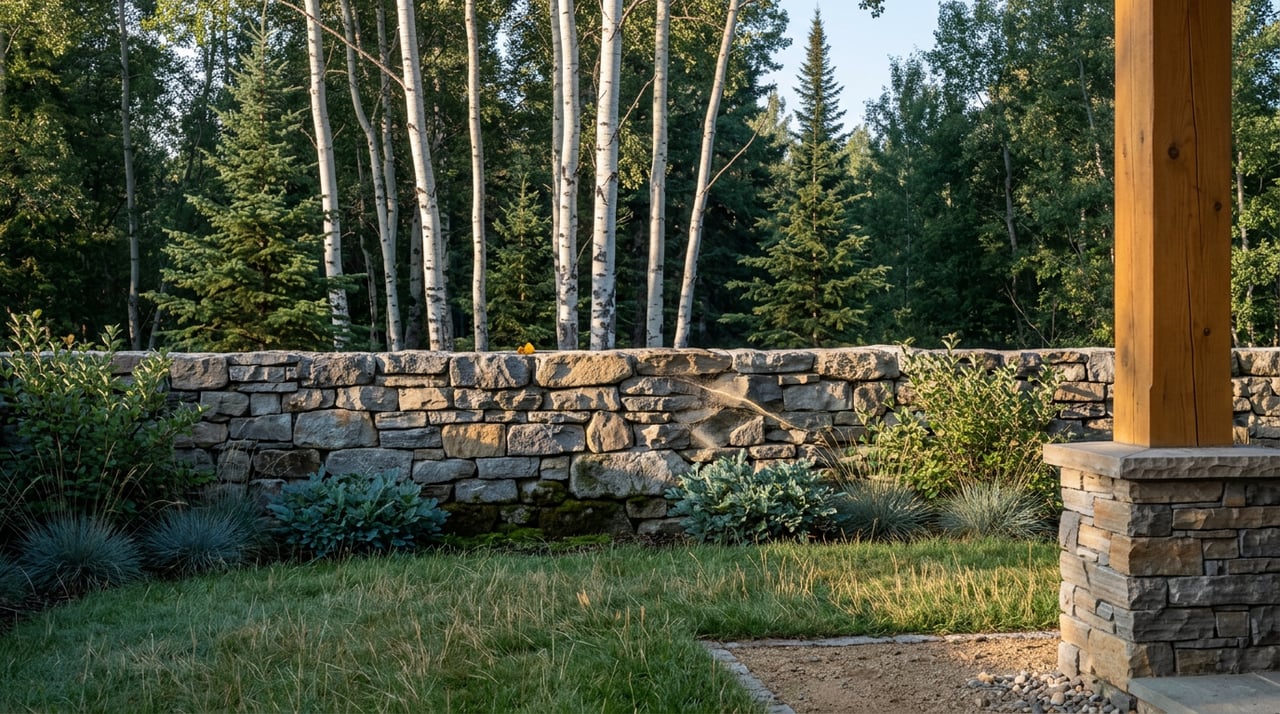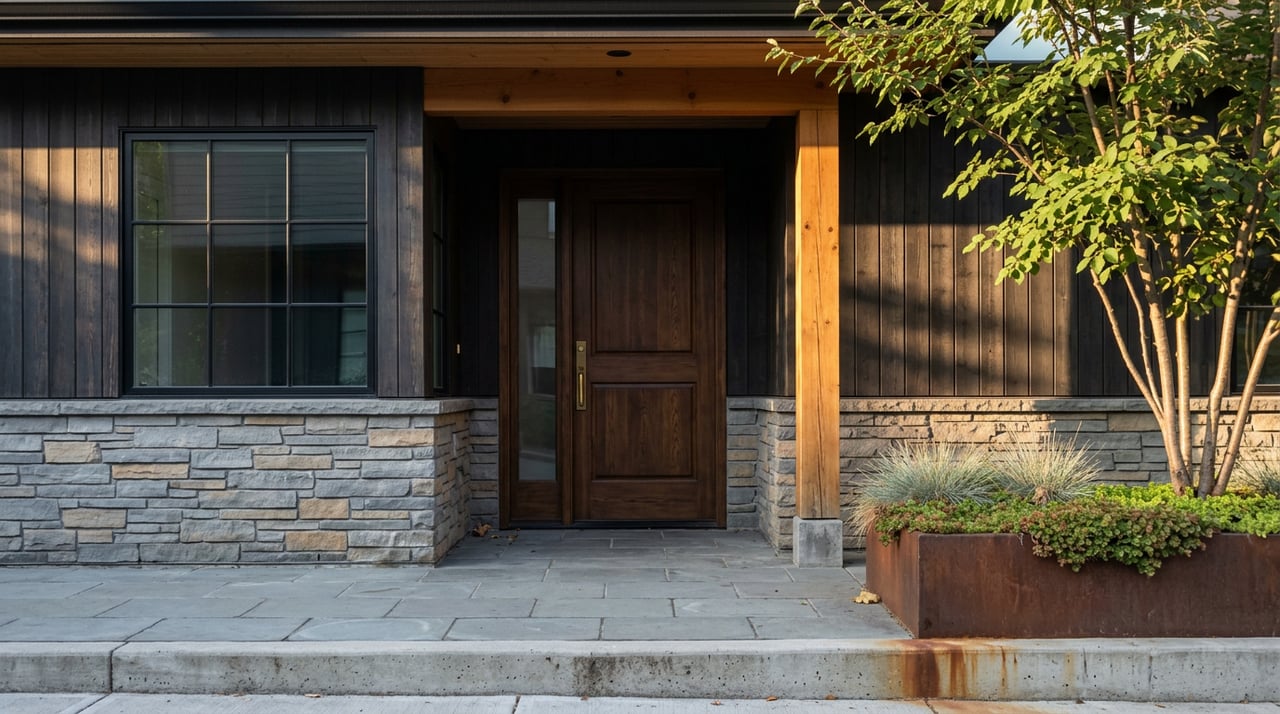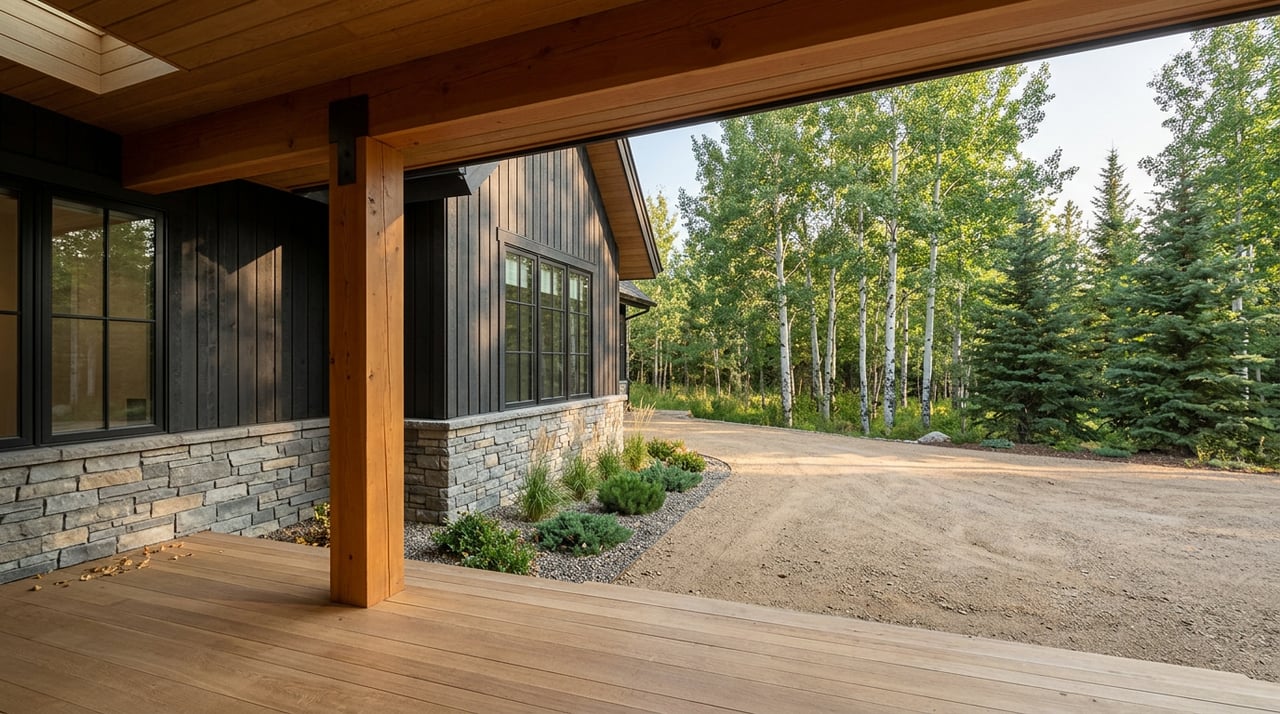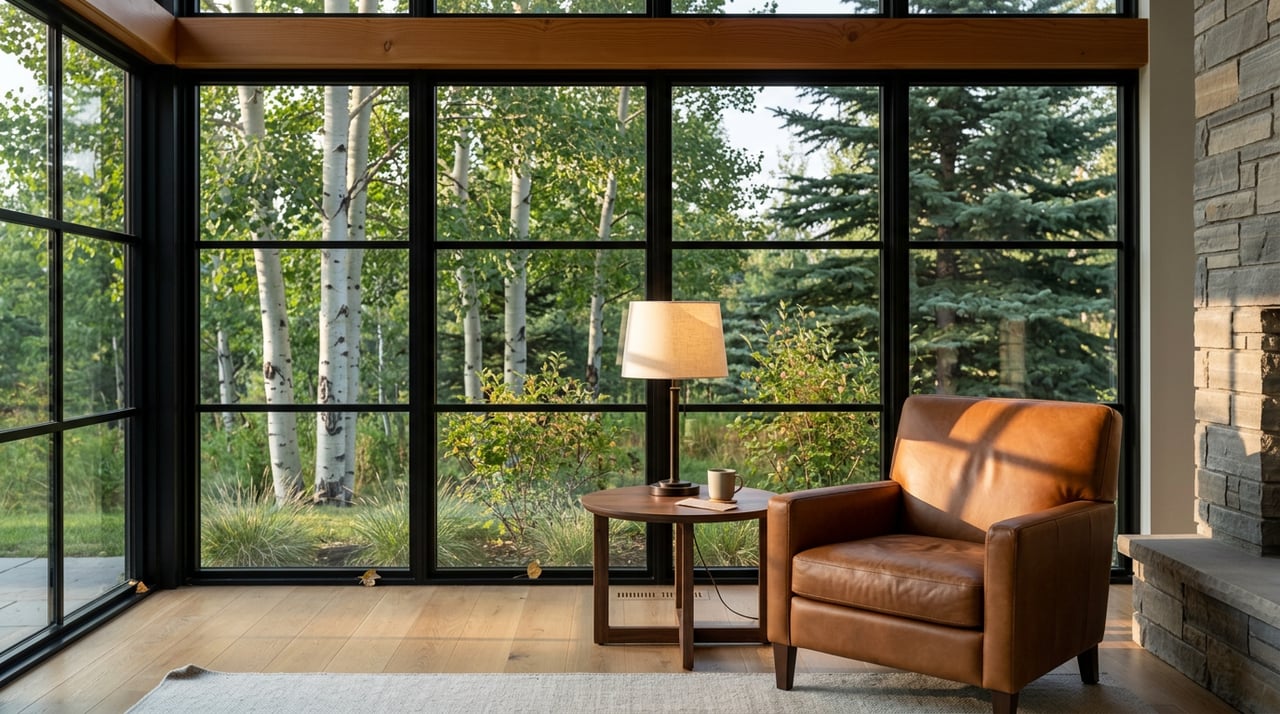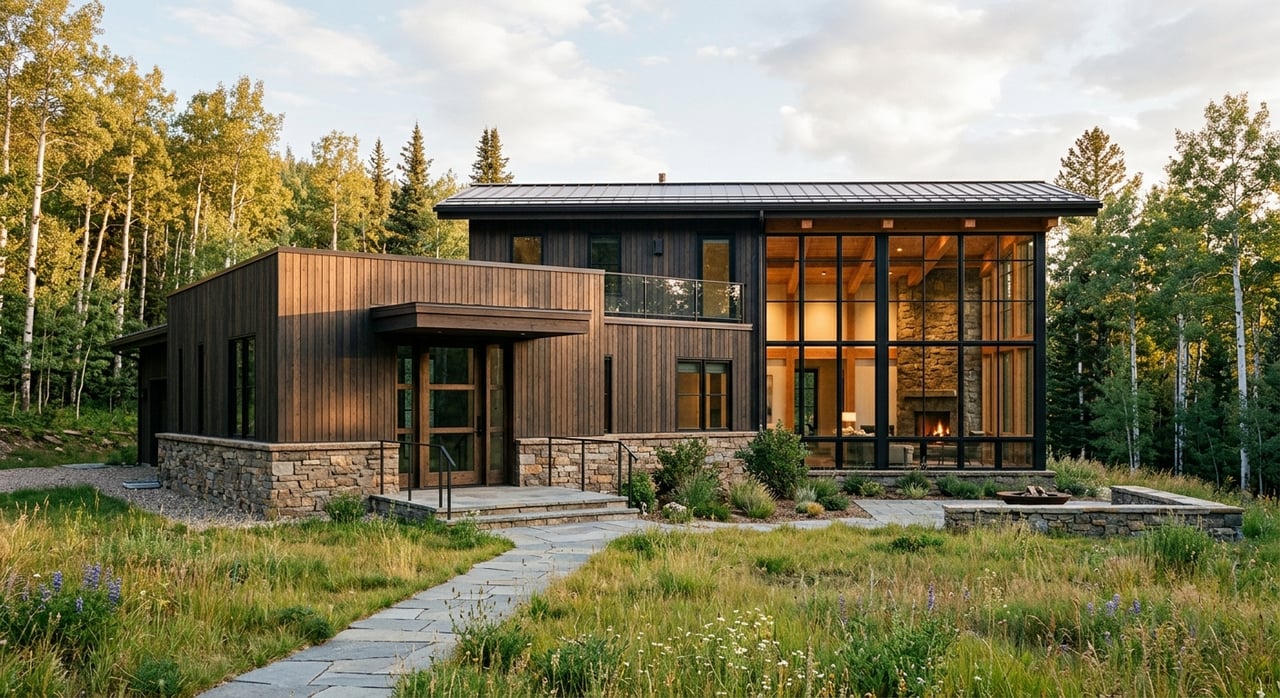
If you love Aspen but want a little more breathing room, Down Valley may be the right fit. Many buyers are drawn to the Aspen area for its scenery, recreation, and long-term appeal, then realize they also want more space, a different daily rhythm, or a broader range of price points. This guide will help you understand what “Down Valley” means, how Basalt and Carbondale compare with Aspen, and which trade-offs matter most as you search. Let’s dive in.
What Down Valley Means
In Aspen-area real estate, Down Valley is not one neighborhood. It generally refers to the lower Roaring Fork Valley communities farther downstream from Aspen along Highway 82 and the Roaring Fork River, especially Basalt and Carbondale, with Glenwood Springs sometimes included for broader context.
That corridor framing matters because buyers are usually not choosing between identical locations. You are weighing access to Aspen against factors like property size, commute, school district, and pricing. According to Basalt planning materials, Basalt sits about midway between Aspen and Glenwood Springs, which helps explain why it often serves as a middle-ground option.
Why Buyers Consider Down Valley
For many Aspen-area buyers, Down Valley is about trade-offs that can work in your favor. You may be able to find more square footage, larger lots, or a more residential pace than in Aspen’s core neighborhoods.
You are also choosing a different daily experience. Aspen tends to feel more resort-centered, while Down Valley living often means stronger reliance on local town services, regional transit, and community-based amenities. That shift appeals to buyers who want access to Aspen without living in the center of its busiest activity.
Basalt vs Carbondale vs Aspen
Aspen offers the highest price tier
Aspen remains the area’s pricing benchmark. As of March 2026, Realtor.com reports a median listing price of $3.2 million in Aspen, with a 13.27% three-year gain in median listing price and a 30% three-year gain in price per square foot.
That citywide figure only tells part of the story. The same source shows a wide range inside Aspen itself, with Downtown Aspen at a median home price of $1.75 million, compared with $17.99 million in the West End and $15.375 million in the East End. If you are comparing Aspen with Down Valley, it helps to remember that Aspen averages can mask very different submarkets.
Basalt can offer a middle ground
Basalt is still a premium market by most standards, but it is often a meaningful step down from Aspen’s prime neighborhoods. Realtor.com’s Basalt market overview shows a median listing price of $2,399,770, a 96% sale-to-list ratio, and 139 median days on market.
That same report notes a 9.33% year-over-year rise in median sale price. In practical terms, Basalt can appeal if you want continued access to Aspen while widening your search for space, layout, or value.
Carbondale often stretches your dollar further
Carbondale is generally lower-priced than Aspen and often lower than Basalt, though the data can be more volatile because sales volume is smaller. The Glenwood Springs Association of Realtors January 2026 report shows a $1.25 million median sales price for single-family homes based on only seven sales, along with 202 days on market and 4.7 months of supply.
That small sample size matters. The same research notes that one-month swings can look dramatic in Carbondale, so buyers should read short-term median pricing carefully. Even so, Carbondale is often the place where you may get more space per dollar, with the trade-off of being farther from Aspen.
Commute and Transit Matter
One of the biggest lifestyle questions is simple: How often do you need to be in Aspen? If your routine includes regular trips upvalley, commute tolerance should be one of the first filters in your search.
Regional transit is a real part of the equation. RFTA connects Aspen and Snowmass with Basalt, Carbondale, and Glenwood Springs, which makes bus commuting more than a fallback option for many residents.
Cost can help you compare locations in a practical way. RFTA’s current 30-day passes list Basalt/Aspen at $90 and Carbondale/Aspen at $109, while 2025-26 winter seasonal passes are $389 for Basalt/Aspen and $440 for Carbondale/Aspen. If you expect to commute often, those numbers can help you budget the location decision more clearly.
Local transit adds convenience
Some Down Valley towns also offer in-town transportation options. Basalt Connect provides free on-demand rides during service windows, while Carbondale offers complimentary Downtowner service within town limits and WE-cycle bike share.
These services may not replace every car trip, but they can make day-to-day living easier. If you value a walkable or locally connected routine, this part of the lifestyle may carry more weight than you expect.
School Districts Are Different
If schools are part of your decision, location and district boundaries go together. Aspen and Down Valley are served by different public school systems, so your home search may also shape your educational options.
Aspen School District states that it offers an International Baccalaureate-aligned Pre-K through 12 continuum. Roaring Fork Schools serves more than 5,600 students across 14 schools in Glenwood Springs, Carbondale, and Basalt, with Pre-K through 12 continuity and dual-language and biliteracy options, according to the district information cited in the research.
The key point is not that one district is universally better. It is that exact school assignment depends on the property address, and district preference can be an important part of the location decision.
How to Choose the Right Down Valley Area
Choose Basalt if you want balance
Basalt may be a strong fit if you want a shorter trip to Aspen than Carbondale usually offers, but still hope to gain more flexibility than you might find in Aspen proper. Many buyers see it as a balance point between access, price, and pace.
It can be especially useful if you plan to be in Aspen often, but do not need to live in Aspen every day. That middle position is a major reason Basalt stays in high demand.
Choose Carbondale if space matters most
Carbondale may be worth a closer look if your top priority is stretching your budget further. Buyers often focus here when they want more home, more land, or a more relaxed rhythm and are comfortable with a longer upvalley commute.
Because monthly market data can be noisy, it helps to evaluate Carbondale with a longer view. Looking beyond one month of sales can give you a more accurate sense of pricing and opportunity.
Choose Aspen if immediate access is essential
If your routine, lifestyle, or ownership goals depend on being in Aspen itself, the premium may still make sense. Aspen offers the closest access to its downtown core, amenities, and established luxury neighborhoods, but that convenience comes with the area’s highest baseline pricing.
For some buyers, that trade-off is non-negotiable. For others, Down Valley opens up options that better match how they actually plan to live.
The Smartest Way to Compare Options
When you compare Aspen with Basalt or Carbondale, focus on three core questions:
- How much space do you want for your budget?
- How often will you realistically commute to Aspen?
- Does school district alignment matter in your search?
Those questions usually reveal more than broad market headlines. They help you evaluate properties not just as homes, but as part of your daily routine and long-term financial picture.
A finance-minded search can also keep you from overpaying for convenience you may not fully use. In a market with large differences in price per square foot, commute patterns, and submarket behavior, a disciplined comparison often leads to a better outcome.
If you are weighing Aspen against Basalt, Carbondale, or other Roaring Fork Valley options, Lex Tarumianz Realty can help you compare lifestyle fit, market positioning, and long-term value with a discreet, data-driven approach.
FAQs
What does Down Valley mean for Aspen-area real estate buyers?
- Down Valley generally refers to the lower Roaring Fork Valley communities downstream from Aspen along Highway 82, especially Basalt and Carbondale, rather than one single neighborhood.
Is Basalt more affordable than Aspen for homebuyers?
- In general, yes. Current market data shows Basalt at a lower median listing price than Aspen, though both remain premium markets by national standards.
Does Carbondale usually offer more space for your money than Aspen?
- In many cases, yes. Carbondale is often viewed as a place where buyers can get more space per dollar, usually in exchange for a longer commute to Aspen.
How can Down Valley residents commute to Aspen?
- Many residents use regional transit through RFTA, and towns like Basalt and Carbondale also offer local transportation services that can support daily mobility.
Are Aspen and Down Valley homes in the same public school district?
- No. Aspen is served by Aspen School District, while Basalt and Carbondale are typically served by Roaring Fork Schools, with exact assignment depending on property address.
What should buyers compare first when choosing between Aspen and Down Valley?
- The most useful starting points are usually budget, commute tolerance, and school district preference, since those factors often shape the best-fit location.