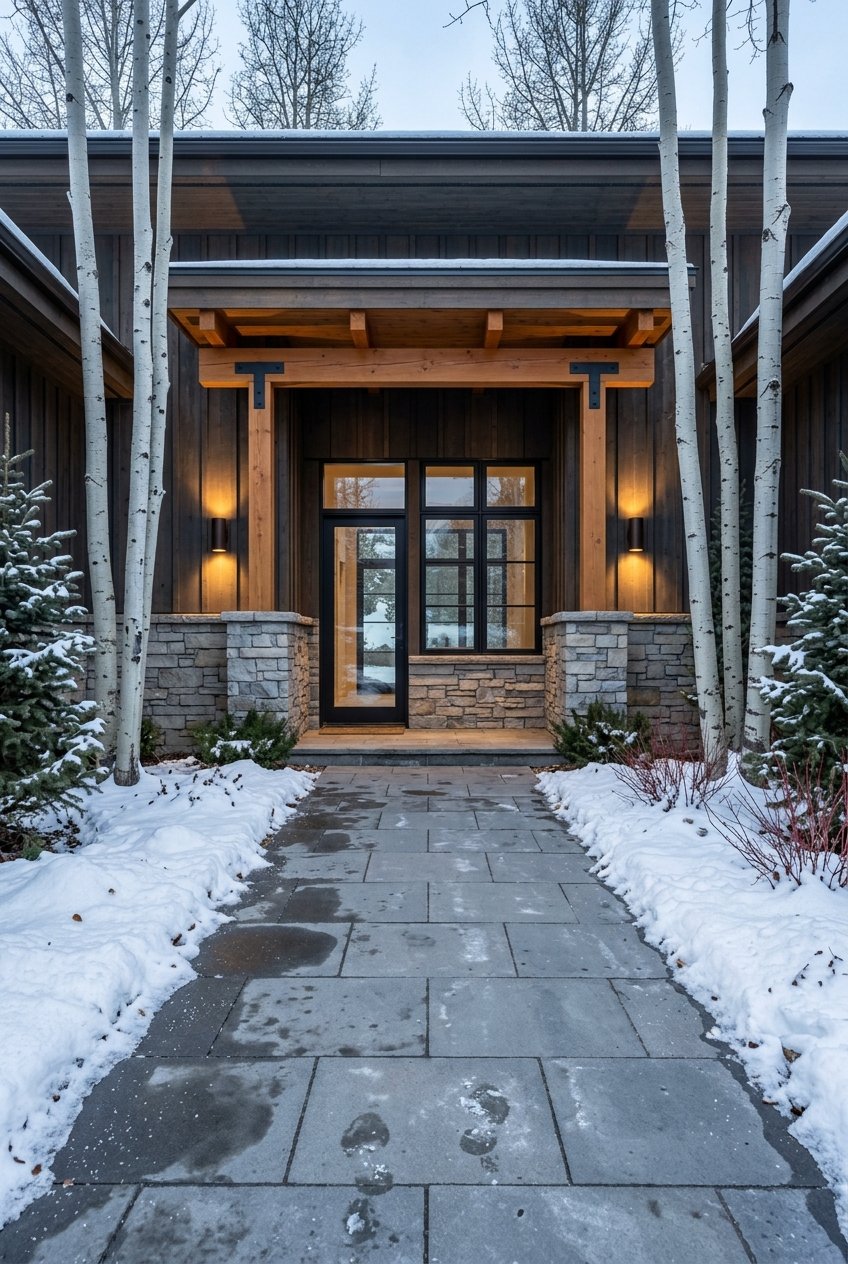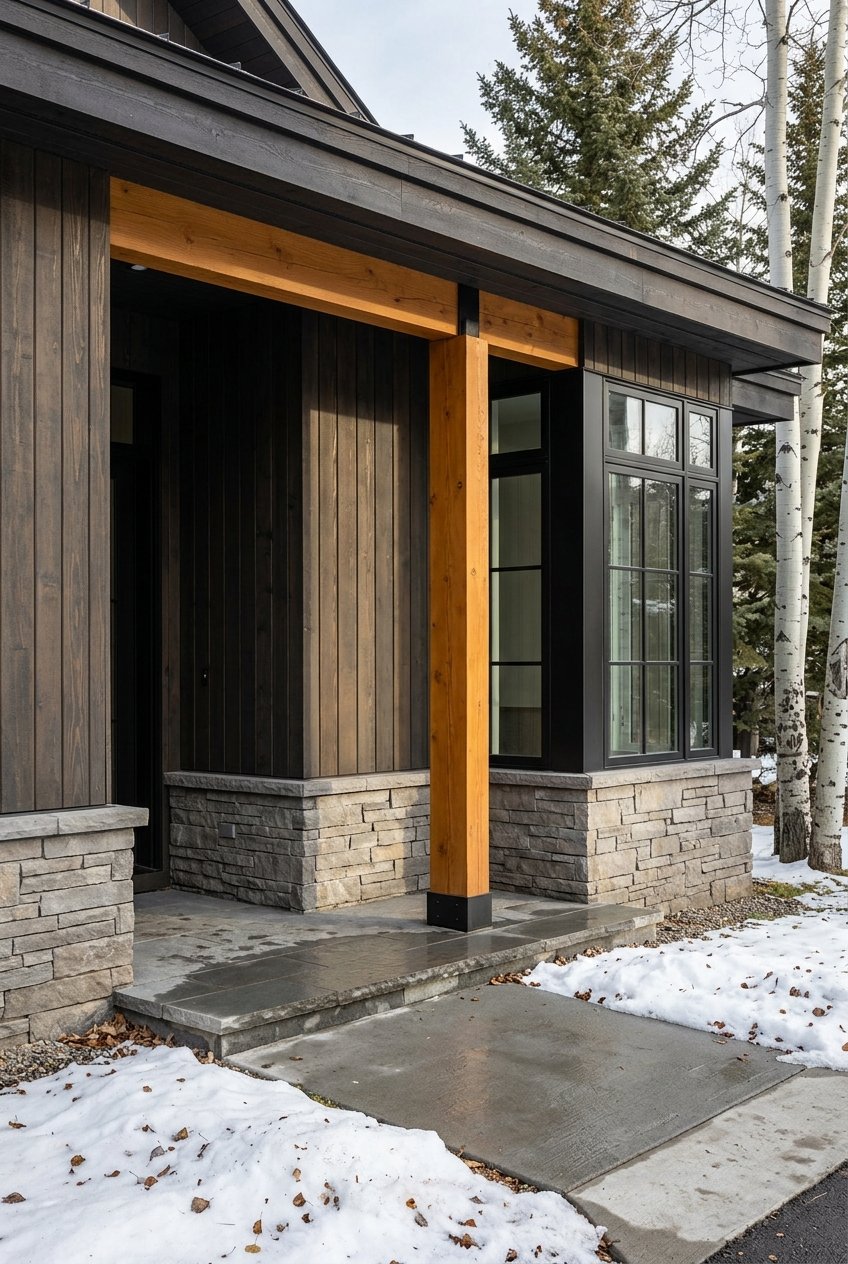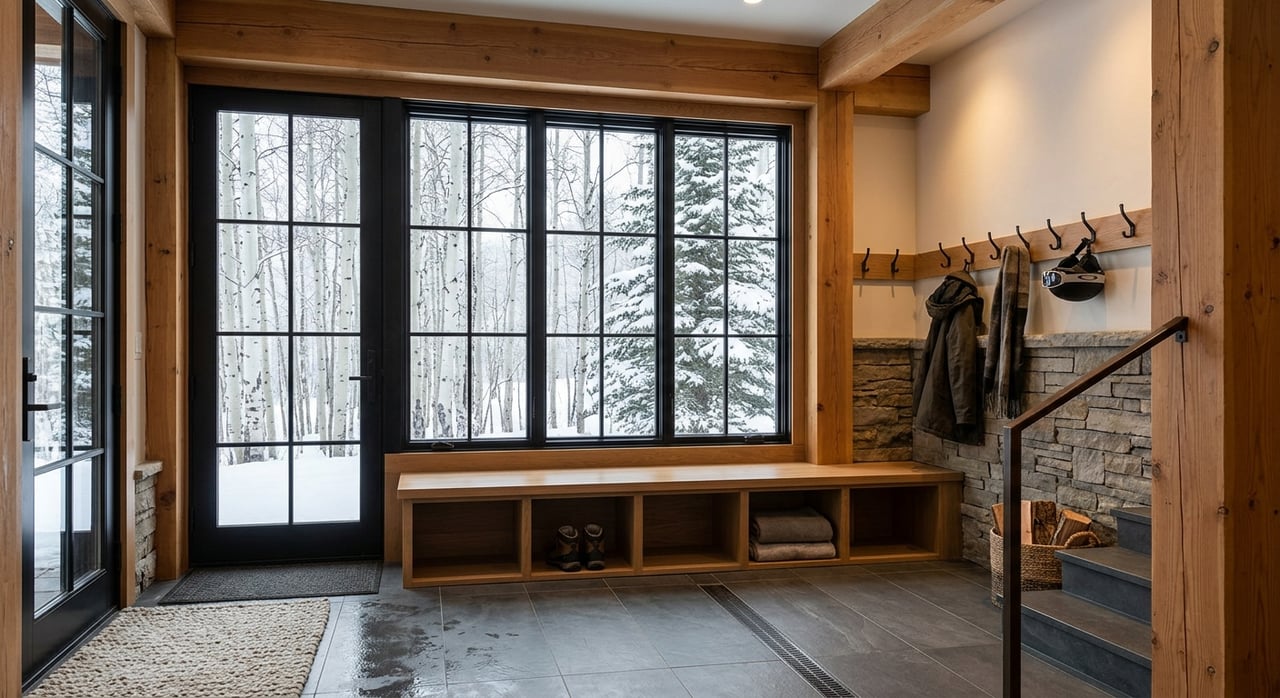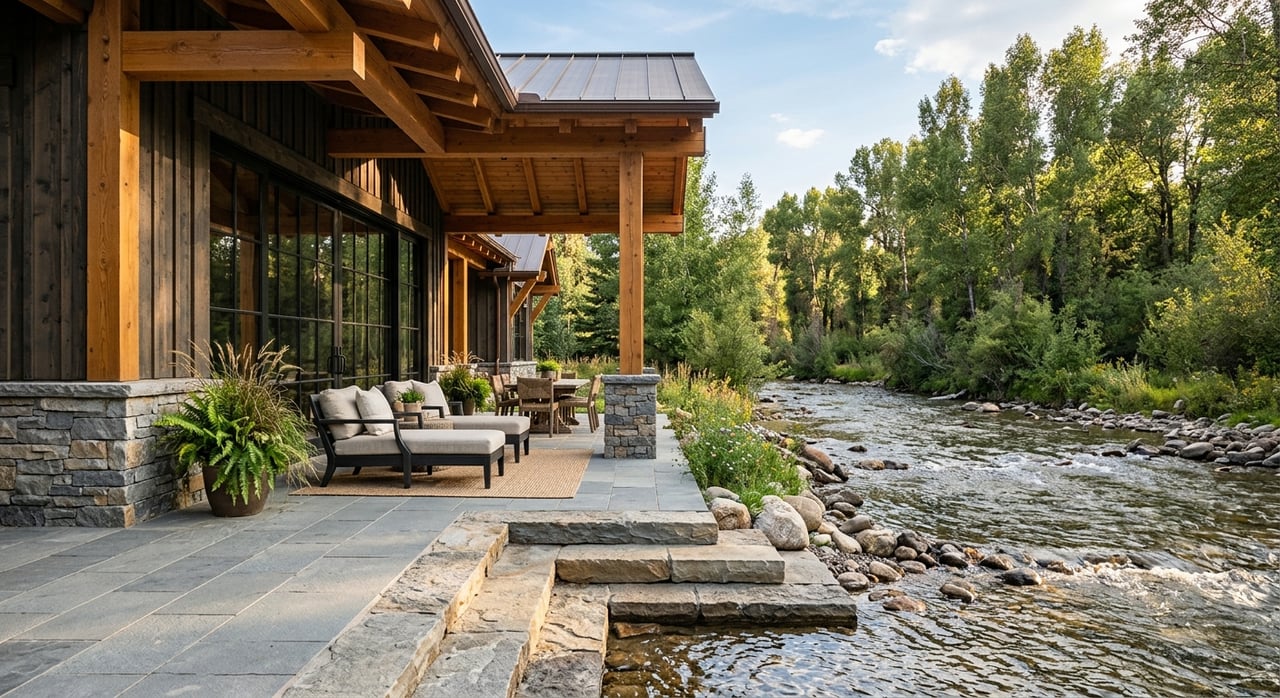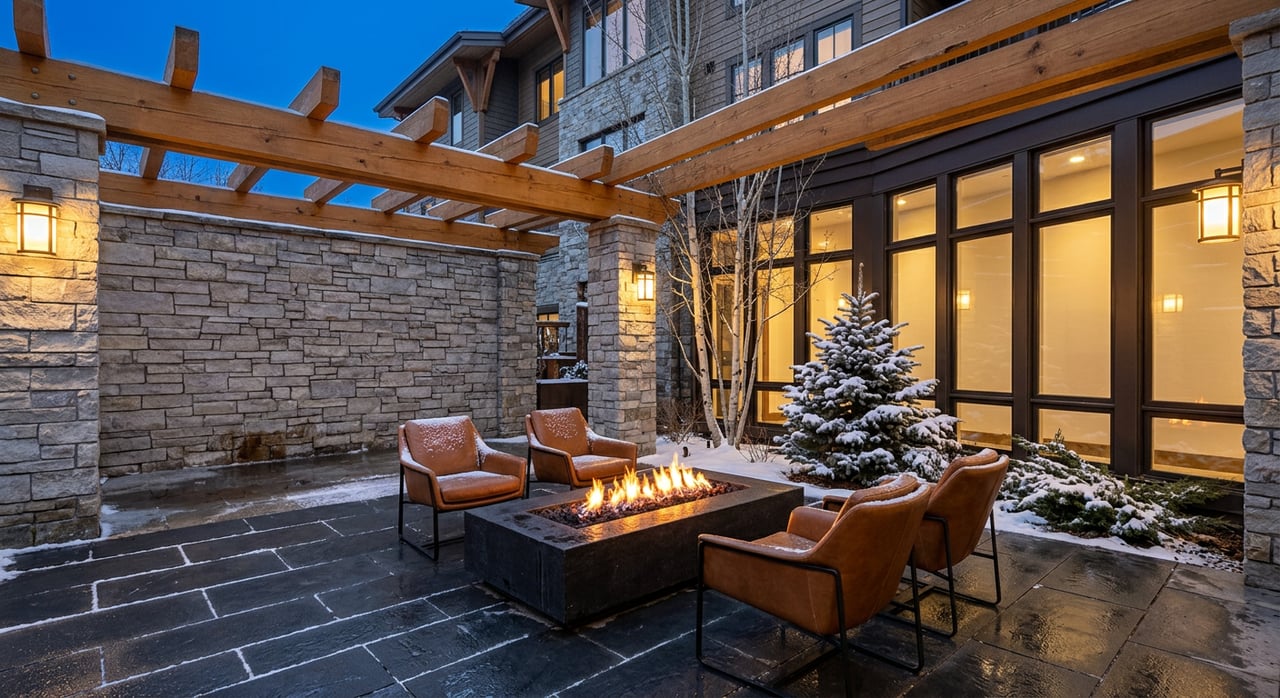
Imagine stepping out your front door and strolling to the Silver Queen Gondola in minutes. If you want a true lock-and-leave base with world-class dining, shopping, and events at your doorstep, Aspen’s Downtown Core delivers. In this guide, you’ll learn how the market works, what types of buildings to consider, how short-term rental rules affect returns, what carrying costs to expect, and the due diligence that protects your investment. Let’s dive in.
What the Core is and why it commands a premium
Locals use “Downtown Core” to describe the central, walkable blocks around the Hyman and Cooper pedestrian malls, Mill Street, and Dean and Durant near the gondola plaza. Homes here trade at a premium because you get lift access, dining, arts, and events within a compact, car-optional footprint. Recent local reporting shows downtown Aspen condos often transact in the multi-millions with price-per-square-foot figures in the mid-$3,000s. Limited inventory and slope adjacency keep values resilient across market cycles.
Buyer demand is lifestyle-driven and seasonal. Peak interest tracks ski season and major summer events, with top-tier properties seeing the most consistent activity. If you want strong resale prospects, focus on buildings and blocks that pair convenience with views and on-site services.
Building types you’ll see in the Core
Full-service lodge and condo-hotel
These operate like hotels with on-site management, concierge, housekeeping, ski storage, and unified rental platforms. They can qualify for the city’s lodging-exempt permit category, which simplifies short-term rental operations. The North of Nell at 555 E Durant is a classic example next to the gondola with on-site management and premium convenience for owners and guests. Learn more about services on the North of Nell site at the North of Nell building overview.
Resort-style condo complexes
Resort communities such as The Gant offer multiple pools and hot tubs, tennis, shuttle service, and staffed front desks. These can be great for turnkey ownership and seasonal rental demand. Expect higher annual HOA dues that fund the service model.
Private residence clubs and fractional
Private clubs like Dancing Bear deliver high-touch services, often in fractional ownership structures with scheduled usage. Recent listing examples show annual association charges around $38,000 for certain fractional interests, reflecting club-level staffing and amenities. This can be ideal if you want certainty of use weeks and hotel-caliber care without full ownership responsibilities.
Traditional non-resort condos/townhomes
Smaller downtown buildings with lighter services often have lower HOA dues. They suit buyers who value location and ownership cost control more than daily housekeeping or on-site dining. Many function as simple lock-and-leave homes with straightforward ownership economics.
How micro-location affects price and resale
In the Core, one block can change value. Addresses directly on or next to the gondola plaza, and the Dean and Durant corridor between Galena and Monarch, tend to command the highest premiums. These blocks put you steps from lifts and central restaurants, and many units feature Aspen Mountain views.
Small functional details also matter. Assigned garage parking and dedicated ski lockers are prized in downtown buildings and can support both pricing and resale velocity. When comparing listings, weigh view corridors, noise exposure, and distance to the gondola alongside finishes and floor plan.
Short-term rental rules, permits, and taxes
If you plan to rent for stays under 30 days, pay close attention to City of Aspen licensing. The city issues three permit types: Lodging-Exempt (for qualifying lodge/condo-hotel buildings), Owner-Occupied, and Classic. Permits are annual and non-transferable, so you cannot assume a seller’s permit will carry over. Review permit categories, caps, and eligibility on the City of Aspen short-term rental program page.
The city also requires a business license, in-unit information displays, and that you display your permit number in all advertising. Some zones cap new Classic permits, which can create waitlists. If your building qualifies as lodging-exempt, on-site managers often handle compliance and batch tax filing for owners.
Taxes on nightly stays are significant and vary by permit type. The city’s combined example shows total tax on a stay can be roughly 12.35% for a traditional lodge, 17.35% for owner-occupied or lodging-exempt rentals, and 22.35% for Classic permits. See the current breakdown on the Aspen Lodging and Short-Term Rental Taxes page.
If you are evaluating property outside city limits in unincorporated Pitkin County, note the county has a separate STR program with a 4-night minimum in many cases, licensing tiers, and night caps. Details are on the Pitkin County STR page.
Carrying costs to budget
Carrying costs vary with building type and services:
- HOA or club dues. Full-service or club-style buildings commonly bill in the tens of thousands per year. Recent examples include fractional clubs near $38,000/year for some interests. Branded residences with hotel services often show five-figure annual fees as well.
- Property taxes. Colorado updated residential assessment ratios for 2025. Pitkin County explains the formula as Actual Value × Assessment Rate × Mill Levy = Tax. See assessment rates and FAQs on the Pitkin County Assessor page. As an illustration only: on a $3,000,000 actual value, using published 2025 assessment rates, and hypothetical combined mill levies, a sample annual bill might total around $15,800. Actual mill levies vary by parcel.
- Insurance. Premiums have been rising in Colorado mountain markets. Factor higher costs and ask insurers about wildfire mitigation credits and building hardening. The Aspen Times covers how new rules encourage insurers to recognize documented mitigation; read more in this Aspen Times piece on wildfire and insurance.
- Utilities, parking, and management. Line items differ by building. Some HOAs include heat and common utilities; others do not. If you plan to rent, include management fees in your pro forma.
Also plan for the city’s Real Estate Transfer Tax at closing. Within Aspen city limits, Real Estate Transfer Taxes total approximately 1.5% across two funds. Learn more on the City of Aspen Real Estate Transfer Taxes page.
A simple rental pro forma thought-starter
Model net income using conservative inputs. Start with your expected nightly rate and occupancy. Then subtract the city’s combined tax rate based on your permit type, which can be as high as 22.35% for Classic STRs. Next, factor management fees, cleaning, credit card processing, reserves for maintenance, utilities, and HOA dues.
Many owners are surprised by the gap between top-line revenue and net proceeds. Lodging-exempt buildings may streamline compliance and improve occupancy, but taxes and fees still drive returns. Make sure your model reflects seasonality and off-peak vacancy.
Due diligence checklist for Core condos
Use this list to make informed decisions and avoid surprises:
- Confirm STR eligibility for the specific unit. Check the city’s permit types, zoning, and eligibility rules. Permits are non-transferable. Start with the City STR program page.
- Review the full HOA document set. Read budgets, reserve studies, meeting minutes, rental rules, right of first refusal, and what dues include.
- Verify parking and ski lockers. Assigned spaces and dedicated lockers support both lifestyle and resale value downtown.
- Clarify compliance and management. If you plan to rent, identify your Qualified Owner’s Representative, business license obligations, and who remits STR taxes. See the city’s STR program guidance.
- Understand fractional or club structures. For private clubs, confirm how your interest converts to use weeks and annual dues. Ask for recent dues histories and any special assessments.
- Discuss insurance early. Ask brokers about wildfire exposure, mitigation credits, and premium trends. The Aspen Times explains mitigation and premiums.
- Pre-check financing options. Many purchases are jumbo loans. Lender requirements differ for second-home vs. investment use and by project warrantability. Confirm down payments, reserves, and condo project approvals.
- Estimate transfer taxes. Within Aspen, budget for approximately 1.5% in Real Estate Transfer Taxes. See the city’s RETT page.
- Build a realistic operating model. Use the city’s published tax percentages and include management, cleaning, utilities, HOA dues, and vacancy in your pro forma. Reference the Lodging and STR Taxes page.
How we help you buy well in the Core
In a market where one block can change value by hundreds of dollars per square foot, you want precise advice. Our approach pairs finance-forward analysis with block-by-block insight across the gondola plaza, Dean and Durant corridors, and the pedestrian malls. We help you compare buildings by service model and HOA profile, quantify operating and tax impacts, and pressure-test your plan for rental or purely personal use.
If you want to explore current opportunities or build a targeted search, request a confidential conversation with Lex Tarumianz Realty. We will map options to your lifestyle and investment goals and guide you from diligence to closing with clarity.
FAQs
What counts as Aspen’s Downtown Core for buyers?
- Locals refer to the central, walkable blocks around the Hyman and Cooper malls, Mill Street, and Dean and Durant by the gondola, where proximity and views drive pricing.
Can I rent my downtown Aspen condo nightly under city rules?
- Yes, if you secure the proper STR permit; the City of Aspen issues Lodging-Exempt, Owner-Occupied, or Classic permits, which are annual and non-transferable; see the city STR program.
How high are HOA dues for Core condos with services?
- Full-service or club-style buildings often run in the tens of thousands per year; recent examples include fractional clubs around $38,000 annually for certain interests, reflecting hotel-level staffing.
What are typical taxes on nightly rentals in Aspen?
- The city’s example shows combined taxes can be about 12.35% for lodges, 17.35% for owner-occupied or lodging-exempt rentals, and 22.35% for Classic permits; see the tax breakdown.
How are Aspen property taxes calculated for condos?
- Pitkin County applies assessment rates to actual value, then multiplies by mill levies; see assessment rates and methodology on the Assessor FAQ.
Which downtown blocks tend to hold value best?
- Gondola-adjacent blocks on Dean and Durant and units with Aspen Mountain views often command premiums; confirm each building’s views, services, and parking when comparing options.