If you own a West Buttermilk estate, the real question is not simply whether now is a good time to sell. It is whether keeping the property still serves your lifestyle, balance sheet, and long-term goals. In a market where Aspen single-family homes can command very high prices but often require patience and pricing discipline, a clear decision framework matters. Let’s dive in.
West Buttermilk's Position
West Buttermilk sits in a rare part of the Aspen area lifestyle map. Buttermilk is known within Aspen Snowmass for groomers, tree skiing, terrain parks, uphilling, and X Games Aspen, while also offering a family-oriented identity through programs like The Hideout and kids' lessons, according to Aspen Snowmass.
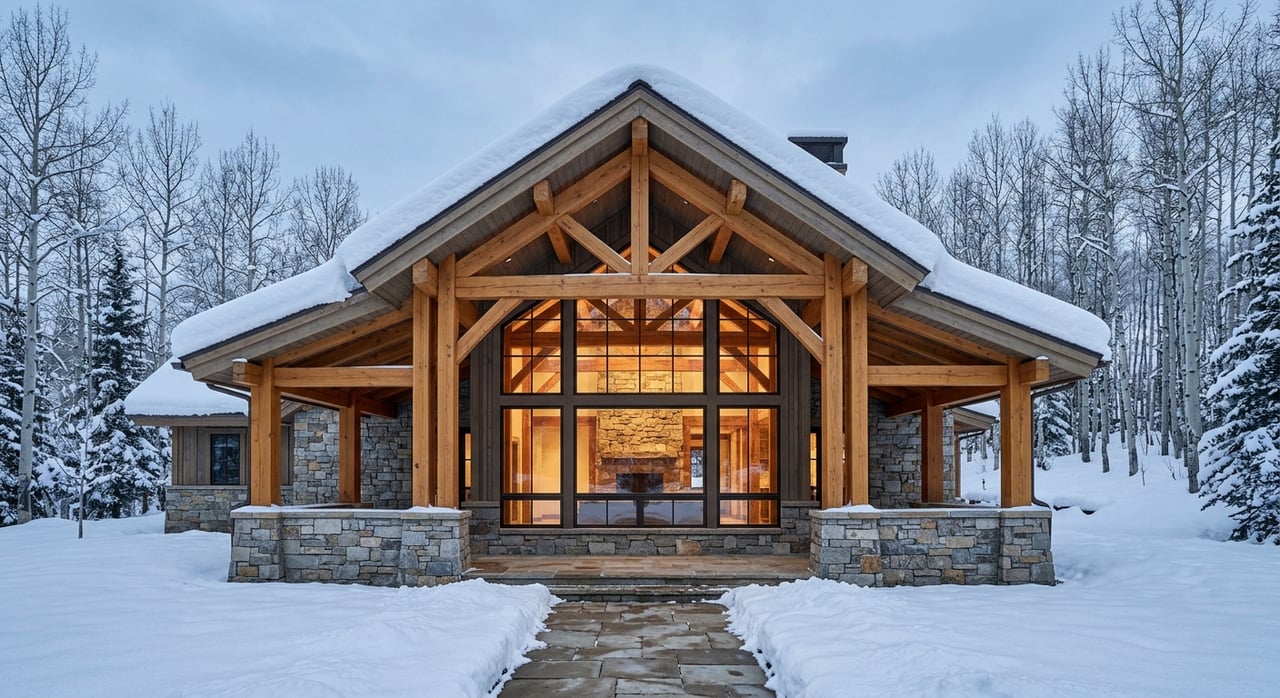
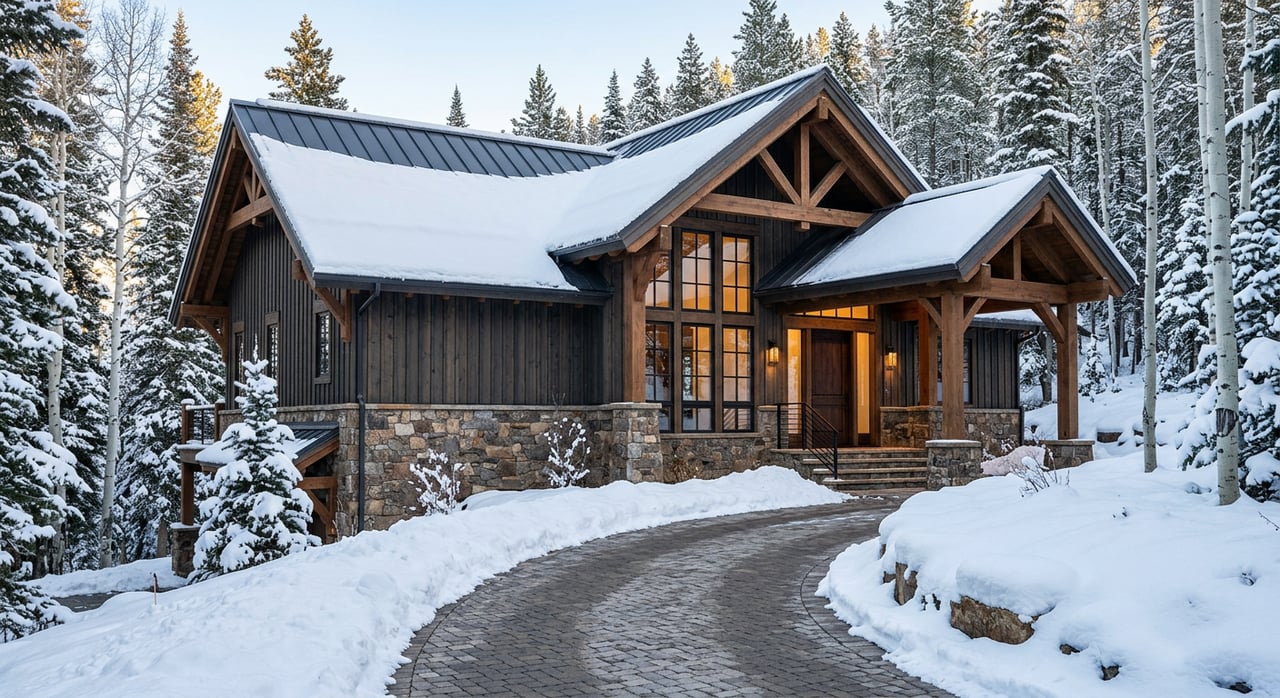
That setting shapes how buyers see a West Buttermilk estate. They are not comparing it to a typical Aspen condo or a standard second home. They are often looking for privacy, estate scale, fast mountain access, and a property that works for seasonal use as well as legacy ownership.
Access also matters more than many owners realize. Aspen Snowmass notes that Aspen/Pitkin County Airport is about three miles from Aspen, and a guest can be on Buttermilk in roughly 15 minutes from touchdown. For a buyer who values efficiency, that is a meaningful part of the ownership proposition.
Aspen Market Signals
If you are weighing a sale, broad Aspen headlines only tell part of the story. West Buttermilk estate owners are operating in a narrower buyer pool than the larger resort market, so it helps to focus on single-family data instead of condo-level assumptions.
According to the September 2025 Aspen market update, Aspen recorded 9 new single-family listings and 7 sales for the month. The monthly median sales price was $20.75 million, the average sales price was $25.99 million, average list-price receipt was 91.3 percent, and days on market averaged 97.
Inventory is especially important here. The same report shows 108 homes for sale and 16.4 months of inventory in Aspen single-family, which does not read like a classic shortage market. That means sellers benefit more from strong positioning and realistic pricing than from broad scarcity messaging.
The data also suggest caution when reading one month's pricing headlines. While the monthly median was $20.75 million, the year-to-date single-family median was $13.25 million across 63 sales, which indicates monthly numbers can be skewed by a small number of very large transactions.
For context, Aspen townhouse and condo properties posted a September 2025 median sale price of $3.2 million, with a year-to-date median of $3.3 million, based on the same Aspen market report. That gap reinforces an important point: a West Buttermilk estate is competing for a very different buyer than a resort condo.
Why Hold Can Make Sense
Holding usually makes the most sense when your estate is already highly functional, distinctive, and aligned with how you actually use Aspen. If the property continues to deliver meaningful family use, privacy, and convenience, keeping it may be the right strategic choice even in a selective market.
This is especially true if you view the home as a long-duration asset rather than a short-term trade. The Aspen market still supports high values, but the current data suggest owners should base a hold decision on utility and portfolio logic, not just a vague expectation that values will rise on their own.
You may also lean toward holding if your property already sits in a strong condition tier. When a home presents well and supports your lifestyle without major near-term disruption, the cost and effort of selling may outweigh the benefits of immediate liquidity.
Why Sell Can Make Sense
Selling tends to become the better option when an estate is underused, increasingly maintenance-heavy, or no longer fits your broader allocation priorities. In those cases, the question shifts from emotional attachment to capital efficiency.
If your Aspen time has changed, your family patterns have evolved, or your ownership costs feel less justified relative to use, a sale can be a rational move. The current Aspen single-family market supports meaningful values, but it also rewards thoughtful execution more than rushed timing.
Seasonality can help tell the property's story. During ski season, Buttermilk's mountain identity, family-friendly terrain, and association with X Games Aspen can help a buyer quickly picture the lifestyle, especially when convenient access from the airport is part of the experience.
Carrying Costs Matter
A hold-versus-sell decision should always include annual carrying costs. In Pitkin County, property tax is calculated as actual value multiplied by the assessment rate and then by the mill levy, according to Pitkin County Assessor guidance.
For tax year 2025, residential property for most local governments is assessed at 6.25 percent of actual value, while school-district residential property is assessed at 7.05 percent, as outlined by Pitkin County. That matters because your annual cost burden is tied to assessed value, not simply your own view of what the property is worth.
Pitkin County also states that property is revalued every odd year, and the 2025 appraisal period uses sales from July 1, 2022 through June 30, 2024. If you are considering a hold, this is a reminder to review carrying costs as part of the equation rather than treating them as background noise.
Renovation Before Selling
Many owners assume a renovation will unlock a clearly higher exit price. In this market, that assumption deserves scrutiny.
The stronger case for renovation is when it moves the property into a meaningfully different condition tier. If the work only modernizes cosmetic details without materially improving buyer perception, speed of sale, or pricing power, you may simply be preserving the status quo.
That is especially relevant in a market with 16.4 months of single-family inventory and average list-price receipt of 91.3 percent in September 2025, based on the Aspen market data. Buyers have room to compare options, and they are likely to notice pricing discipline as much as finish selections.
Before investing additional capital, ask a more focused question: will this spending improve liquidity and market position, or just make the property more expensive to own before sale? That distinction often decides whether a pre-sale renovation is strategic or unnecessary.
Net Proceeds Need Careful Modeling
The right decision often comes down to net proceeds, not headline price. A sale that looks strong at first glance can feel different once you account for timing, carrying costs, market exposure, and jurisdiction-specific closing costs.
If a property is inside Aspen city limits, the city levies 0.5 percent and 1.0 percent real estate transfer taxes, and the purchaser is responsible for paying them, according to the City of Aspen. The 1.0 percent transfer tax excludes the first $100,000 of consideration.
For West Buttermilk owners, jurisdiction should be confirmed before building a closing-cost model. That kind of detail matters because the best strategy is rarely built on asking price alone. It is built on what you keep, what you avoid spending, and what flexibility you gain.
Marketing Strategy Is Not One-Size-Fits-All
If you decide to sell, execution matters as much as timing. West Buttermilk estates typically require a selective, high-consideration process rather than a broad assumption that the market will absorb the property quickly.
That can support several paths, including a full public launch, a private offering, or a hybrid strategy. The best choice depends on your privacy preferences, willingness to test pricing publicly, and desire to create competitive tension among qualified buyers.
Sotheby's International Realty states that its network was built to connect independent brokerages to a global luxury audience through worldwide marketing and affiliation with the Sotheby's auction house. For owners of estate-scale property, that kind of reach can support both discreet exposure and broader international visibility when appropriate.
A Practical Decision Framework
If you are working through the hold-or-sell question, start with a structured review instead of instinct alone. A clear framework can help you make a confident decision.
Consider these five questions:
- How much do you actually use the property?
- What are the annual carrying costs based on current assessments and ongoing upkeep?
- Would renovation materially improve market position or only refresh presentation?
- What would likely net proceeds look like under realistic pricing assumptions?
- Do privacy, timing, or portfolio goals favor a private sale, public launch, or continued hold?
For many West Buttermilk owners, the answer is not a simple yes or no. It is a disciplined comparison of personal utility, annual carry, capital needs, and expected net sale proceeds.
When that analysis is done well, the path often becomes much clearer. If you want a discreet, finance-forward review of your options, Lex Tarumianz Realty can help you evaluate hold, renovate, or sell strategies with the local context and execution planning that estate decisions require.
FAQs
What does the Aspen single-family market mean for West Buttermilk estate owners?
- The September 2025 Aspen market update showed high single-family values, but also 108 homes for sale, 16.4 months of inventory, 97 average days on market, and 91.3 percent average list-price receipt, which suggests careful pricing and patient execution matter.
What makes West Buttermilk different from other Aspen property segments?
- West Buttermilk appeals to a narrower estate-level buyer pool that often values privacy, acreage, ski access, and quick airport-to-mountain convenience rather than the priorities that usually drive condo buyers.
What should West Buttermilk owners consider before renovating to sell?
- A renovation is usually most strategic when it moves the home into a different condition tier and materially improves marketability, rather than simply updating finishes without changing buyer response.
How are Pitkin County property taxes calculated for residential property?
- Pitkin County says property tax is based on actual value multiplied by the assessment rate and then by the mill levy, with 2025 residential assessment rates listed at 6.25 percent for most local governments and 7.05 percent for school-district residential property.
What transfer taxes should West Buttermilk sellers review before listing?
- If the property is inside Aspen city limits, the City of Aspen states that 0.5 percent and 1.0 percent real estate transfer taxes apply and are paid by the purchaser, so confirming jurisdiction is an important part of sale modeling.
When is selling a West Buttermilk estate usually the better choice?
- Selling often makes the most sense when the property is underused, maintenance-heavy, or no longer aligns with your family's lifestyle or broader portfolio priorities.