If your perfect Aspen day starts with steeps, powder, and as many lift-served laps as possible, where you buy matters. You are not just choosing square footage or finishes. You are choosing how quickly you can click into your skis, how easily you can move around Aspen without a car, and whether the mountain outside your door truly matches the way you ski. In Aspen Highlands, that ski-first equation is especially clear. Let’s dive in.
Why Aspen Highlands Stands Out
Aspen Highlands has one of the most distinct ski identities in the Aspen Snowmass system. Official mountain statistics show 1,040 acres, 144 trails, 5 lifts, and about 300 inches of average annual snowfall. The terrain mix is especially telling: 0% beginner, 23% intermediate, 12% advanced, and 65% expert.
That profile makes Highlands a natural fit if you are a strong skier who wants a mountain that aligns with your ability and priorities. Aspen Snowmass also notes that beginner-level lessons are not offered there, which reinforces the point. This is not a broad, all-levels resort base. It is a mountain with a more specialized draw.
For many buyers, Highland Bowl is the defining feature. Aspen Snowmass describes it as expert-only, in-bounds terrain topping out at 12,392 feet, with a hike that typically takes about 45 minutes and gains roughly 860 vertical feet. The bowl spans about 270 acres, and the option of a snowcat can reduce part of the climb.
If that sounds like your version of fun, Aspen Highlands tends to feel less like a general resort address and more like a base camp for serious skiers. The mountain’s culture, from bowl laps to classic on-mountain stops like Cloud Nine Alpine Bistro and Highlands Alehouse, adds to that identity. For the right buyer, that focus is the point.
What Homes Near Highlands Look Like
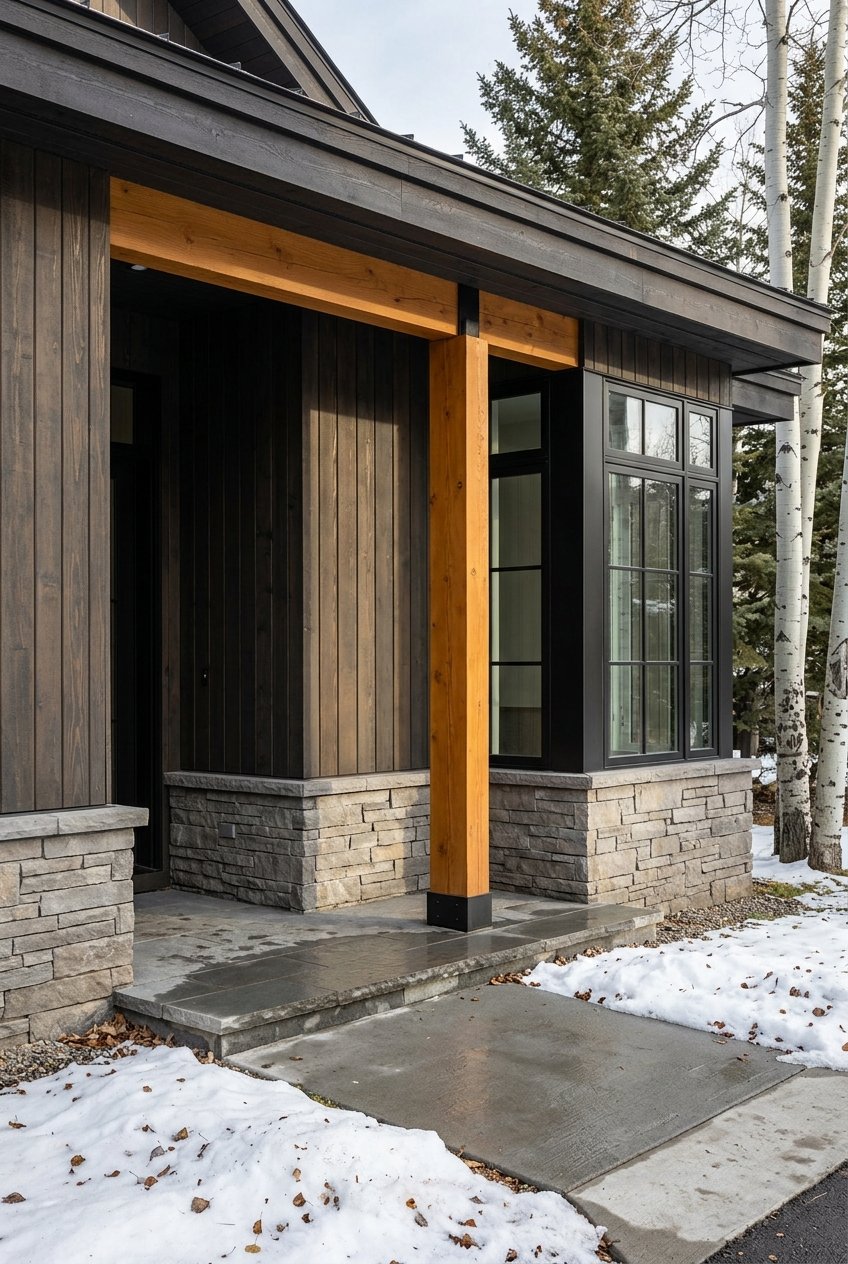
The core residential area is Aspen Highlands Village. Hines describes it as a mixed-use development completed in 2001 with 36,000 square feet of retail, 31 residential lots, 32 townhomes, and 73 lodge condominiums, along with a pedestrian mall and skier facilities.
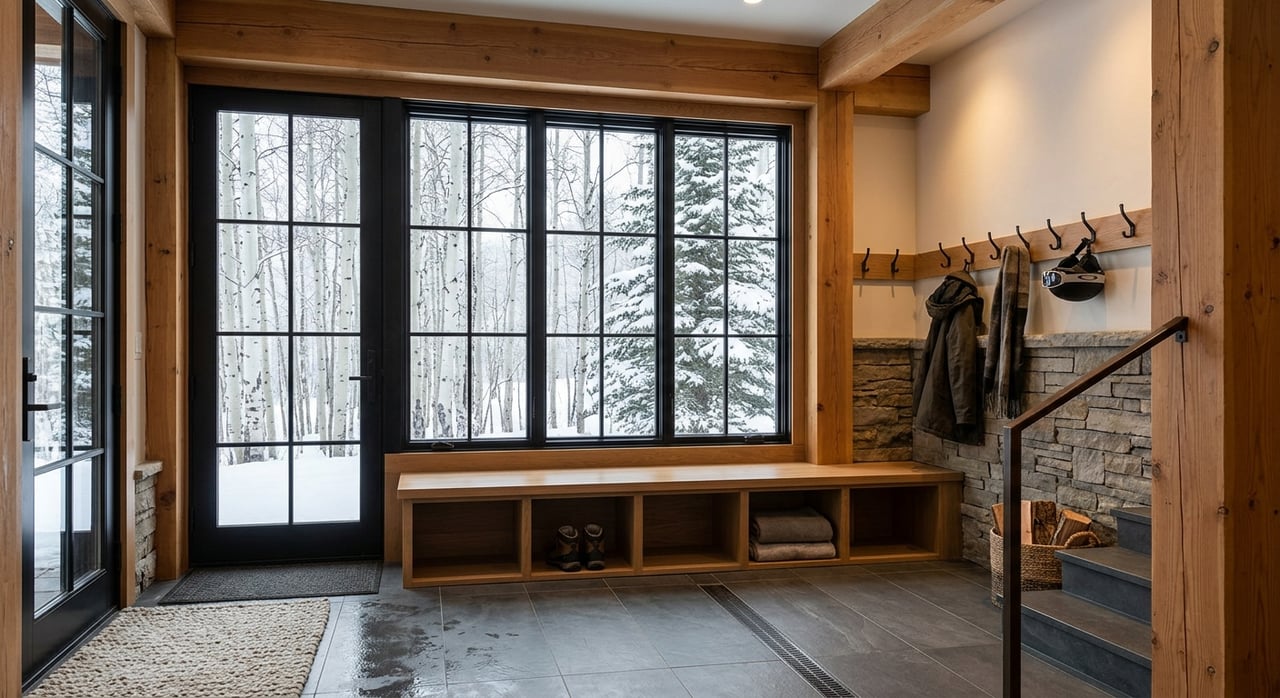
For you as a buyer, that means the base area is shaped primarily by attached properties that emphasize convenience. Condos and townhomes are the clearest match if your goal is to minimize friction between home and lift. You can prioritize ease, lock-and-leave ownership, and direct access to the ski village environment.
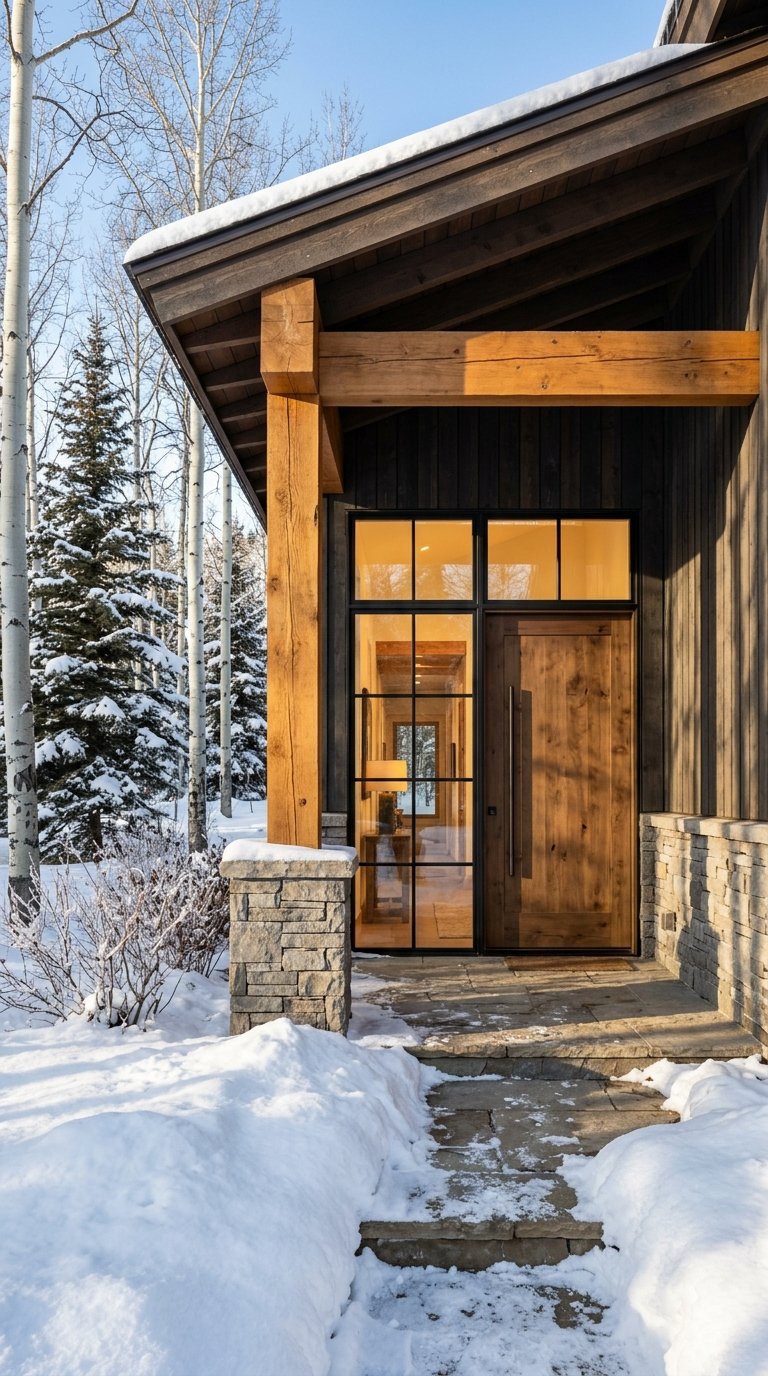
There is also a smaller lot-based component in and around the area. That can create opportunities for buyers who want more privacy, more custom design potential, or a different ownership experience than a village condominium. The immediate housing mix is not as broad as in some larger resort bases, but that narrower inventory is part of what gives Highlands its distinct feel.
The broader Maroon Creek area matters too. Pitkin County’s Maroon Creek Caucus boundary includes Aspen Highlands Village PUD and nearby Heatherbed Lodge PUD, with the boundary extending along the Aspen Highlands ridgeline toward the Maroon Bells parking area. In practical terms, when people talk about Aspen Highlands area homes, they may mean the village core or nearby pockets along the Maroon Creek corridor.
Ski Convenience Is the Main Draw
For a serious skier, the strongest argument for owning near Aspen Highlands is simple: your daily routine can revolve around the mountain. Instead of optimizing for downtown foot traffic or a broad range of beginner terrain, you are optimizing for access to a mountain known for steeps, bowl hiking, and a more advanced skier profile.
That distinction matters when comparing neighborhoods. Some Aspen buyers want a central social base first and ski access second. Others want a family-oriented setup with more gentle terrain nearby. Highlands generally appeals to buyers who put on-mountain time at the top of the list.
If your winter priorities include chasing powder, skiing technical terrain, and reducing the time between breakfast and first chair, Highlands makes a compelling case. The village format supports that lifestyle, and the mountain itself validates it.
Transit Makes Highlands More Flexible
One of the most practical ownership advantages near Aspen Highlands is transit access. RFTA’s free Highlands Direct shuttle serves Rubey Park and Aspen Highlands Village via Maroon Creek Road. During peak ski periods, service runs every 10 to 15 minutes, with off-peak service every 15 to 30 minutes when operating.
That frequency helps make Highlands a realistic car-light base in winter. You can move between downtown Aspen and the ski area without relying on daily parking logistics. For second-home owners, that kind of circulation can make ownership feel simpler and more usable.
The Four Mountain Connector adds another layer of convenience. RFTA describes it as a winter-only, always-free service connecting Aspen Mountain, Aspen Highlands, Buttermilk, and Snowmass. If you want Highlands as your home base but still like access to the wider Aspen Snowmass network, that flexibility is built in.
This matters because a ski-first address does not have to mean isolation. Highlands may not offer the same walk-to-town setting as Aspen Mountain, but it does connect well into the broader system. That balance can be appealing if you want mountain focus without giving up access to dining, errands, and other resort activity.
Summer Value Goes Beyond Ski Season
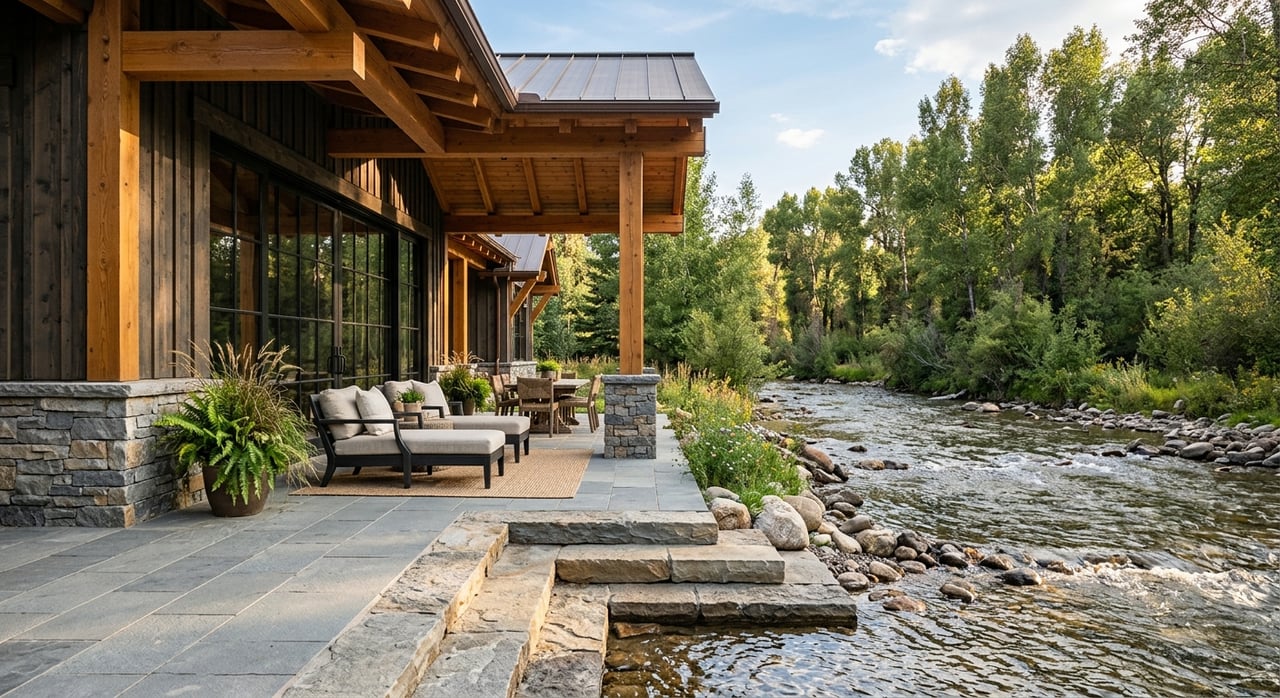
Aspen Highlands is not only a winter story. In summer, the area becomes a key gateway to Maroon Bells, which gives ownership here a second strong lifestyle use case.
RFTA says the Maroon Bells shuttle departs from the Maroon Bells Welcome Center at Aspen Highlands Ski Area, requires reservations, and runs from May 22 through October 18. RFTA also notes that there is a fee to park at Aspen Highlands, while bus connections serve Highlands from Aspen, Snowmass Village, Brush Creek Park & Ride, and downvalley communities.
For owners, that creates a real convenience advantage. You are near one of the valley’s best-known summer access points for hiking and sightseeing. If your Aspen ownership is meant to work across all four seasons, that proximity can add meaningful day-to-day value.
Broader summer circulation also supports the area. Aspen’s transportation information says the free shuttle network and RFTA Valley summer schedule run from June 1, 2026 through September 20, 2026. RFTA’s Castle Maroon route currently serves Rubey Park, Maroon Creek Road, Castle Creek Road, Aspen Highlands Village, and the Aspen Recreation Center daily from 6:20 a.m. to 2 a.m.
The city also offers free Downtowner service, and Aspen notes that the trail system connects to Snowmass Village and downvalley, with WE-cycle available in spring, summer, and fall. For you, that means Highlands can support more than ski access. It can also support a lower-car, recreation-oriented lifestyle during the warmer months.
How Highlands Compares to Other Bases
Highlands vs Snowmass
Snowmass is the largest of the four Aspen Snowmass mountains and offers the widest range of terrain and on-mountain dining, according to Aspen Snowmass. It is often the better fit if you want broad ability-level coverage or a more general ski-in/ski-out resort experience.
Highlands is more specialized. If your household is centered around intermediate, advanced, and expert skiing, that specialization may be exactly what you want. If you need a mountain that serves true beginners, Highlands is less likely to be the right match.
Highlands vs Aspen Mountain
Aspen Mountain is directly tied to downtown Aspen, and its appeal is closely connected to walkability, dining, and the core town experience. If you want to step out your door into a more urban resort setting, Aspen Mountain has a different kind of convenience.
Highlands offers a more mountain-focused identity. You can still connect to downtown through the shuttle network, but the daily feel is different. In Highlands, the emphasis leans more toward skiing first and town second.
Highlands vs Buttermilk
Buttermilk sits at the opposite end of the spectrum. Aspen Snowmass describes it as beginner-friendly and family-oriented, while Highlands is known for bowl hiking, powder, and advanced terrain.
That contrast helps clarify the buyer profile. If your search starts with serious skiing, Highlands is one of the clearest fits in the Aspen market. It is not trying to be everything for everyone, and many buyers see that as a strength.
What Serious Skiers Should Prioritize
If you are evaluating homes near Aspen Highlands, it helps to focus on the features that matter most to your actual use pattern.
Consider priorities like:
- Distance and ease of access to Aspen Highlands Village
- Whether you prefer a condo, townhome, or more private lot-based setting
- How much you value winter shuttle access to downtown Aspen
- Whether summer proximity to Maroon Bells is part of your lifestyle equation
- If your household’s ski ability aligns with Highlands’ intermediate-to-expert terrain profile
For many buyers, this is less about finding the largest property and more about finding the right base. A well-located residence near Highlands can support a very specific Aspen lifestyle, one built around efficient ski days, strong seasonal access, and a quieter relationship to town.
Why Location Strategy Matters
In Aspen, small location differences can lead to very different ownership experiences. Near Aspen Highlands, the value proposition is not just luxury. It is targeted utility for a skier who knows what they want.
That is why a neighborhood-level approach matters. You are not simply buying in Aspen. You are choosing whether your property supports expert terrain, village convenience, transit flexibility, and four-season recreation in a way that aligns with how you actually live.
If Aspen Highlands sounds like your kind of base, a focused search can help you separate true ski-priority opportunities from properties that are merely nearby. For discreet guidance on Aspen Highlands area homes and other ski-oriented opportunities, connect with Lex Tarumianz Realty.
FAQs
What makes Aspen Highlands different for serious skiers?
- Aspen Highlands is especially known for intermediate, advanced, and expert terrain, with official mountain stats showing 65% expert terrain and no beginner terrain.
What types of homes are near Aspen Highlands Village?
- The core village includes lodge condominiums, townhomes, and a smaller number of residential lots, which creates a mix of attached ski-convenient ownership and some lower-density opportunities nearby.
How easy is it to get from Aspen Highlands to downtown Aspen?
- RFTA’s free Highlands Direct shuttle connects Aspen Highlands Village and Rubey Park, with peak ski service typically every 10 to 15 minutes.
Is Aspen Highlands useful in summer as well as winter?
- Yes. Aspen Highlands serves as a gateway to Maroon Bells in summer, with the Maroon Bells shuttle departing from the welcome center at Aspen Highlands Ski Area during the seasonal operating period.
Is Aspen Highlands a good fit for beginner skiers?
- Aspen Snowmass states that Aspen Highlands has no beginner terrain and does not offer beginner-level lessons, so it is generally better aligned with stronger skiers.