If Aspen feels a little too close to the action, Woody Creek offers a different kind of luxury. Here, privacy comes first, open land shapes the experience, and the pace feels quieter without cutting you off from Aspen’s restaurants, culture, and everyday conveniences. If you are weighing where to buy near Aspen, this guide will help you understand why Woody Creek stands out as a private retreat and what that means for lifestyle, property type, and long-term value. Let’s dive in.
Why Woody Creek Feels Different
Woody Creek is best understood as a rural residential enclave in Pitkin County, not a traditional town center. It sits about 10 miles from Aspen, close enough for regular access but far enough to feel removed from the density and rhythm of town.
That distinction matters if you value space and discretion. Pitkin County’s planning documents consistently frame Woody Creek around slow growth, open space, agricultural land, wildlife habitat, and low-traffic rural roads. In practical terms, you get a setting that feels intentionally preserved rather than built out.
How Close Woody Creek Is to Aspen
One of Woody Creek’s strongest advantages is that it gives you separation without isolation. Current travel planners estimate roughly 12 minutes by car between Aspen and Woody Creek, which keeps dining, shopping, and events within easy reach.
Bus access can also be part of the picture, though it is best viewed as seasonal support rather than a year-round replacement for driving. Current planners estimate about 15 minutes by bus when service is active, but as of May 10, 2026, the dedicated Woody Creek route is paused until June 1, 2026.
For many buyers, that balance is the point. You can spend your day or evening in Aspen, then return home to a setting that feels more private, more spacious, and less commercial.
What Defines the Woody Creek Lifestyle
Woody Creek has a grounded, low-key identity. Instead of a concentrated retail core, the area is anchored by a few civic and community touchpoints, including the community center, post office, firehouse, Aspen Community School, and the Woody Creek Tavern.
That modest mix helps explain the atmosphere. The area feels lived-in and local, not programmed around heavy visitor traffic or large-scale commercial activity. If you prefer a quieter social rhythm, that can be a major advantage.
The Woody Creek Tavern remains the best-known gathering place in the area. It opened in 1980, became known as a locals’ spot, and operates seven days a week from 11 a.m. until close.
Beyond that, Woody Creek’s cultural life stays intentionally small-scale. Pitkin County notes that the community center has hosted book readings, local art exhibits, music by valley performers, and other community gatherings, while Aspen provides the broader arts and dining ecosystem nearby.
Why Land Is the Main Draw
For many buyers, the real estate story in Woody Creek starts with acreage. Pitkin County describes the area as a rural residential community where open space, agricultural lands, and wildlife habitat are prime components of its character.
That framework shapes the kind of ownership Woody Creek tends to attract. Rather than dense development or ski-village style product, the area is better known for large-lot single-family homes, ranch-style holdings, and privacy-oriented properties.
County planning also points to a practical two-acre minimum as the threshold for supportable growth tied to septic and well considerations. Small holdings for cattle and horses are described as customary and appropriate, which reinforces the area’s rural character.
A useful example comes from Aspen River Valley Ranch and surrounding parcels referenced in county planning documents. There, properties are primarily single-family homes or small farm and ranch holdings ranging from about seven to 40 acres.
For a luxury buyer, that translates into something increasingly difficult to find close to Aspen: room to create distance, flexibility in how the land is used, and a stronger sense of long-term privacy. In the Woody Creek context, land is not just an amenity. It is a core value driver.
Privacy, Scale, and Ownership Style
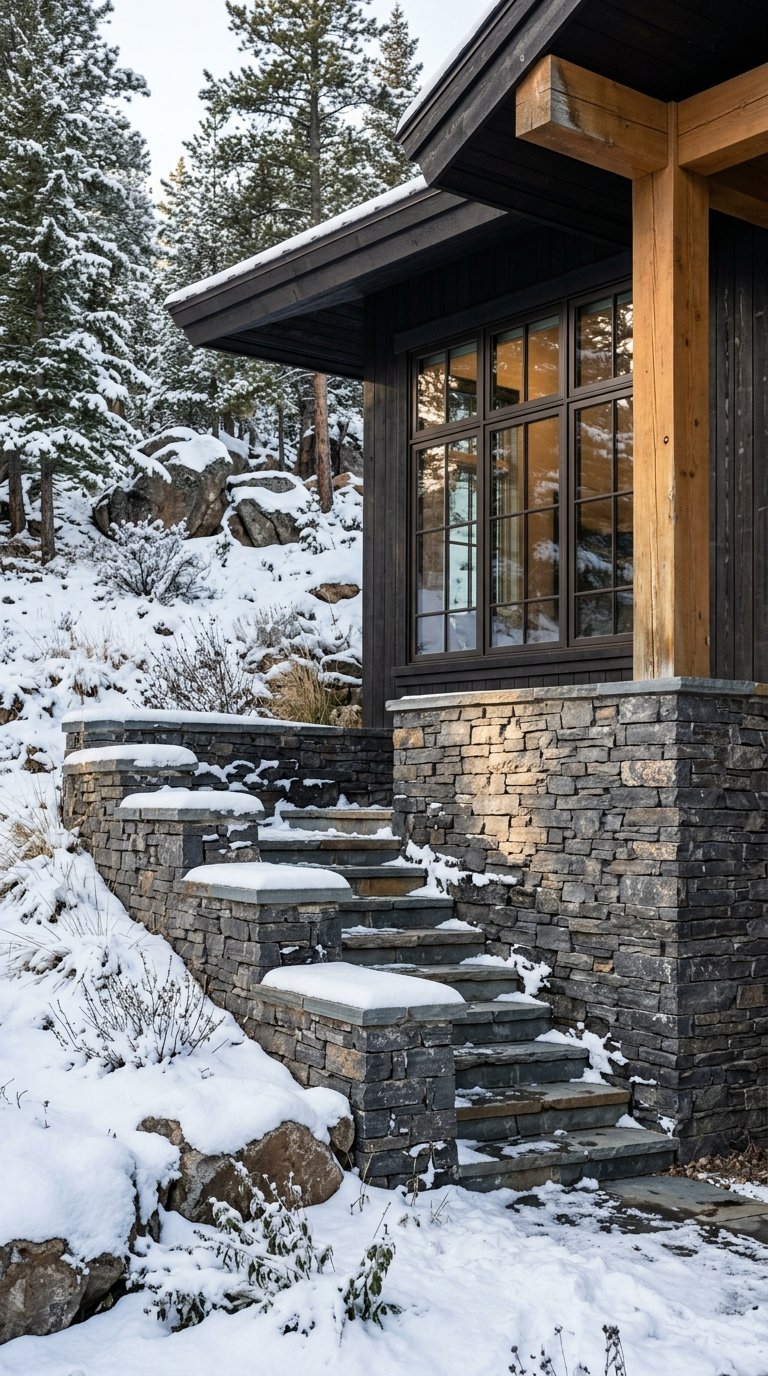
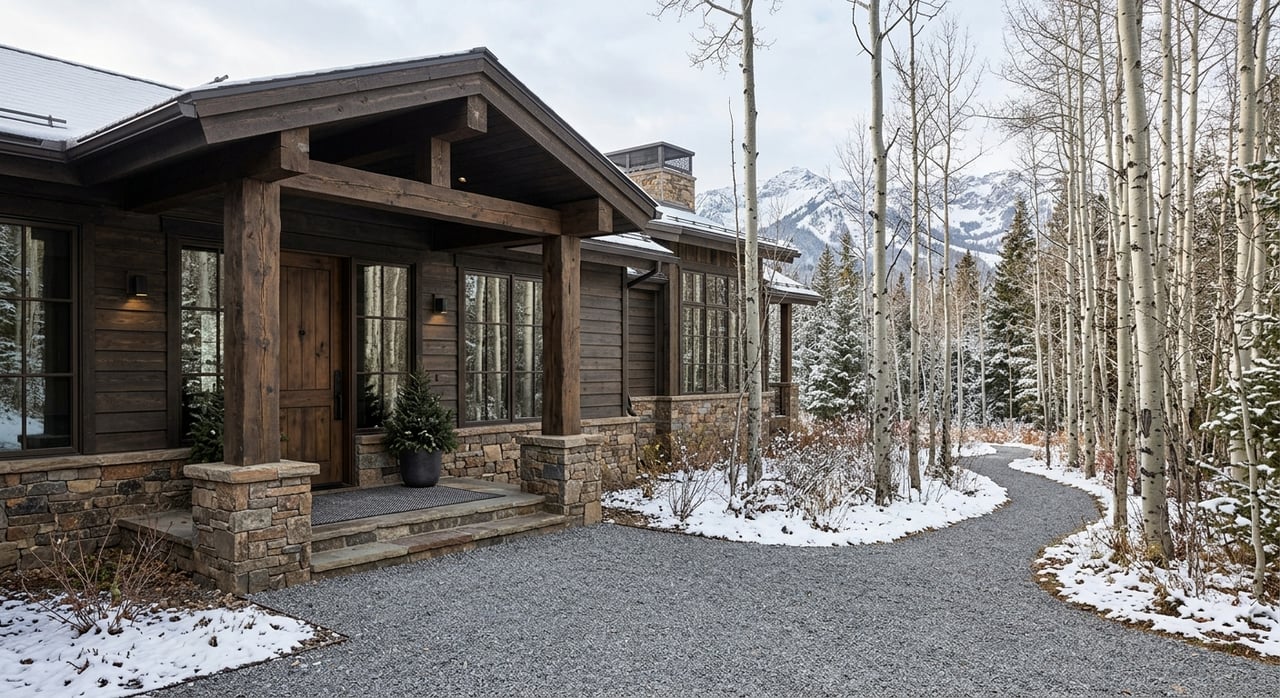
Woody Creek tends to appeal to buyers who want ownership to feel more like retreat than display. The setting supports compound-style living, ranch-oriented use, and homes that prioritize space between neighbors.
This is also why the area often attracts people who are thinking beyond a simple vacation property. If you want room for guest structures, outdoor living, equestrian use, or simply a more secluded daily experience, Woody Creek offers a very different proposition from Aspen’s denser in-town neighborhoods.
That does not mean every parcel carries unlimited development flexibility. In unincorporated Pitkin County, growth is regulated through the Growth Management Quota System, and subdivision potential depends on acreage and approvals.
For buyers considering land, redevelopment, or estate planning, this is where local guidance matters. Property value in Woody Creek is closely tied to what the land can support, how it is entitled, and how county rules shape future options.
Outdoor Access Adds to the Appeal
Woody Creek’s private feel does not come at the expense of outdoor access. The Rio Grande corridor remains a central connection between Aspen and Woody Creek for biking and walking, and it is one of the area’s most appealing everyday lifestyle features.
Aspen Chamber highlights biking from Aspen to Woody Creek as a popular summer outing. That route gives the area a rare mix of seclusion and connectivity, especially for owners who want a more active, four-season lifestyle.
The broader trail network supports that story as well. The Woody Creek Trail is listed at 9.7 miles one way, giving residents another option for getting into the landscape without needing to travel far from home.
River access is another notable part of the setting. Pitkin County’s Deer Creek Open Space plan notes that the area includes fishing easements that create a contiguous 1,500-foot stretch of public angling access along the Roaring Fork River.
The Trade-Offs to Know
Every market has its trade-offs, and Woody Creek is no exception. The same qualities that create privacy and rural character can also mean less convenience for daily errands and more reliance on a vehicle.
Pitkin County’s master plan notes that roads in Woody Creek were already at or above capacity years ago and emphasizes that new development should not proceed unless roads, utilities, and transit can support it. In plain terms, the area is intentionally low-traffic and low-density, but it is not designed around spontaneous, walkable convenience.
That is important to understand before you buy. If your priority is stepping out the door to restaurants, retail, and frequent services, Aspen proper may feel more intuitive.
If your priority is quiet, land, and a retreat-like setting within close reach of Aspen, Woody Creek becomes much more compelling. For the right buyer, that trade-off is not a drawback. It is the entire reason to be there.
Who Woody Creek Fits Best
Woody Creek works especially well if you want a home that feels removed from resort density while staying in the Aspen orbit. Buyers drawn to acreage, river access, ranch-style living, and a more discreet ownership experience often find that the area aligns with how they actually want to live.
It can also make sense if you are thinking in long horizons. Large parcels, limited growth, and a strong preservation mindset can support lasting scarcity, which is often an important factor in luxury property performance.
At the same time, this is a market where nuance matters. Two properties may both be in Woody Creek, yet offer very different value depending on acreage, access, approvals, land-use constraints, and proximity to Aspen.
Why Local Analysis Matters Here
Woody Creek is not a plug-and-play market. The value of a property often rests on details that do not show up in a quick search, including zoning context, development limitations, parcel scale, and how a property fits into Pitkin County’s broader land-use framework.
That is why a thoughtful buying process matters here. If you are evaluating a private estate, land parcel, or ranch-style holding near Aspen, you need more than broad lifestyle appeal. You need clear analysis of what you are buying, what supports the asking price, and what the property can realistically become over time.
For many buyers, that combination of privacy, scarcity, and proximity to Aspen is exactly what makes Woody Creek so attractive. It offers a quieter cultural rhythm, room to breathe, and a kind of ownership experience that is increasingly hard to replicate near Aspen.
If you are considering Woody Creek as a private retreat near Aspen, Lex Tarumianz Realty can help you evaluate opportunities with discretion, local insight, and a rigorous understanding of value.
FAQs
How far is Woody Creek from Aspen?
- Woody Creek is about 10 miles from Aspen, with current travel planners estimating roughly 12 minutes by car.
What types of properties are common in Woody Creek?
- Woody Creek is known for large-lot single-family homes, small ranch and farm holdings, agricultural-residential parcels, and some gated ranch-luxury communities.
Is Woody Creek a good fit if you want privacy near Aspen?
- Yes. County planning documents emphasize open space, rural roads, low-density growth, and a residential character that supports a more private ownership experience.
What is there to do in Woody Creek itself?
- The Woody Creek Tavern is the best-known local gathering place, and the community center has hosted readings, local art exhibits, music, and other small-scale events.
Can you rely on public transit from Woody Creek to Aspen?
- Transit can be useful when seasonal service is active, but it should not be treated as a fully dependable year-round substitute for driving because the dedicated Woody Creek route is currently seasonal and was paused until June 1, 2026.
Why does land matter so much in Woody Creek real estate?
- Land is a major part of Woody Creek’s appeal because the area is defined by open space, agricultural character, wildlife habitat, and large parcels that can offer privacy, flexibility, and long-term scarcity value.