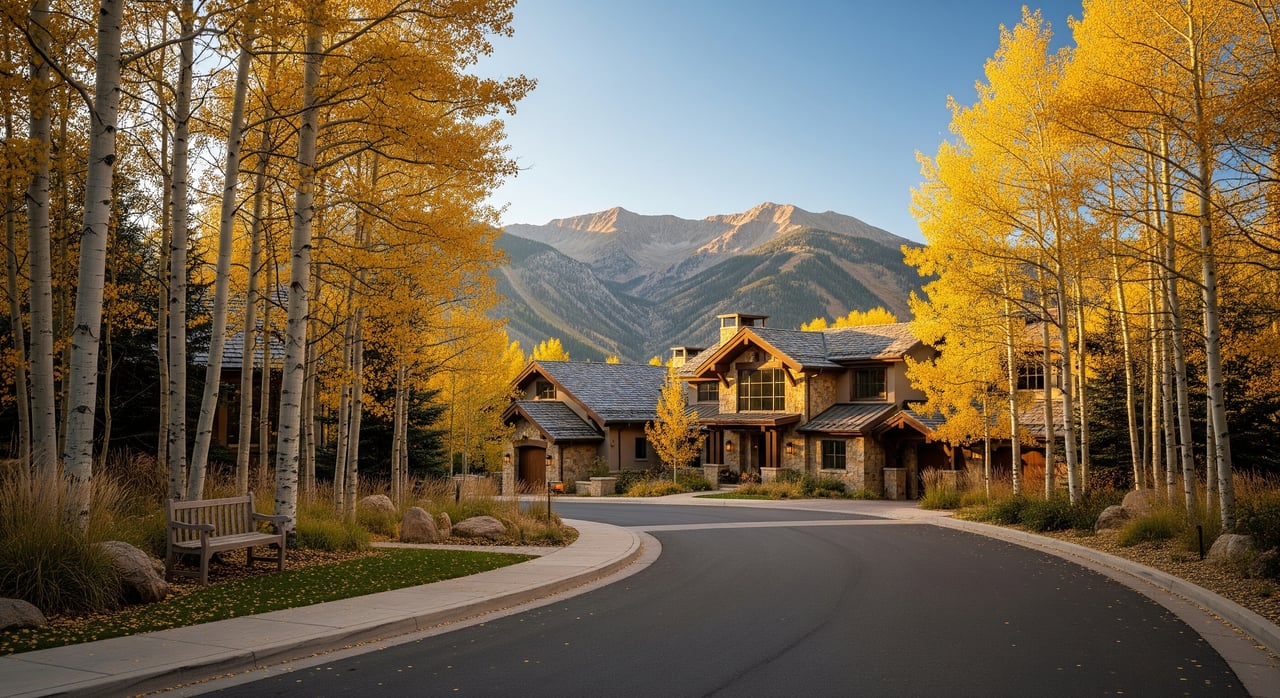
Picture yourself stepping out your front door onto a quiet, tree‑lined street where historic cottages sit beside thoughtfully modernized homes, and the Music Tent’s summer notes drift through the air. If you are weighing a home in Aspen’s West End, you likely value walkability, architectural character, and easy access to culture and trails. This guide gives you a clear look at day‑to‑day living, the streets and parks that define the area, and the practical tradeoffs that come with this coveted neighborhood. Let’s dive in.
West End at a glance
The West End is one of Aspen’s oldest in‑town neighborhoods, with late‑19th and early‑20th century architecture shaping its feel. You will find preserved miners’ and Victorian cottages alongside larger renovations and tasteful infill, all framed by mature aspens and maples. Short blocks, sidewalks, and narrow streets create a village‑scale setting and a strong sense of place.
Because of this history and small‑lot pattern, properties vary widely in size and style. That mix is part of the appeal and a key reason the West End commands a premium. Expect visual charm, architectural variety, and a residential rhythm that differs from newer, suburban‑style areas.
Streets and day‑to‑day flow
Walkability and daily convenience
You can walk to downtown dining, galleries, cafés, and services in minutes. Sidewalks and short blocks encourage biking and walking for errands and events. Many residents find they drive less here because so much is nearby.
Seasonal activity and traffic
On most days, streets see light vehicle flow compared with Aspen’s main corridors. During summer festivals, holidays, and peak tourism weeks, pedestrian and car activity rises. If you prefer quiet evenings, you will want to note proximity to direct routes into downtown and to festival venues.
Parking realities
In‑town parking is more constrained than in suburban neighborhoods. Many West End homes include a garage or driveway, while others rely on nearby public or permit parking. It is smart to confirm resident permit options, time limits, and any street‑cleaning rules that affect daily convenience.
Sound and privacy
Living close to cultural venues brings seasonal ambient noise and foot traffic, especially in high summer. Many owners value the convenience and energy; others prioritize homes on calmer blocks. Touring at different times of day helps you gauge the fit.
Parks, trails, and culture
Music Tent proximity
The Aspen Music Festival & School’s outdoor tent is a signature amenity for the West End. Summer programming and pedestrian flow bring cultural access within an easy walk. Plan for lively seasonal streets and occasional amplified sound near concert times.
Pocket parks and open space
You have small parks, landscaped squares, and green pockets within a short walk. Larger open spaces and river corridor paths are a quick bike or bus ride away. City programming keeps parks active in summer, with predictable peaks you can plan around.
Trails and year‑round recreation
The Rio Grande Trail and local trailheads are easy to reach for biking, walking, running, and winter cross‑country access. Aspen Mountain’s base is nearby, so ski days can start from your front door with a short walk or ride. Daily routines feel simple when recreation is this close.
Home styles and design context
Historic cottages to modern infill
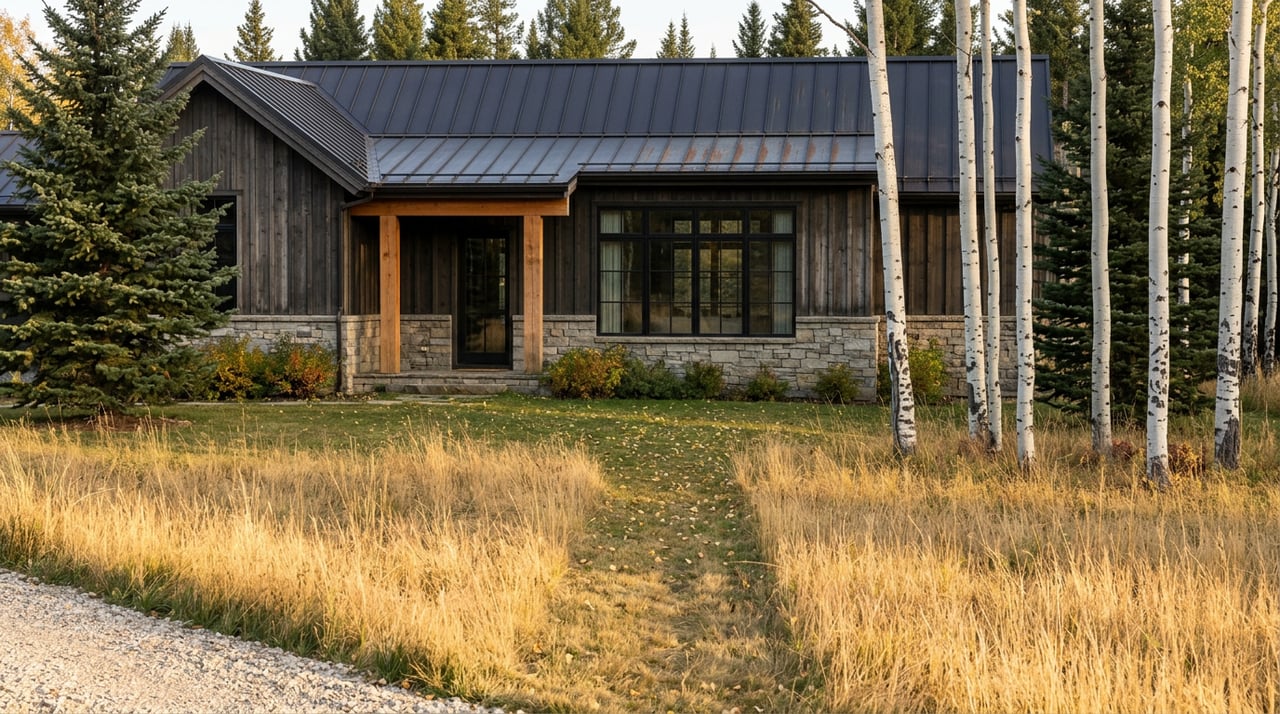
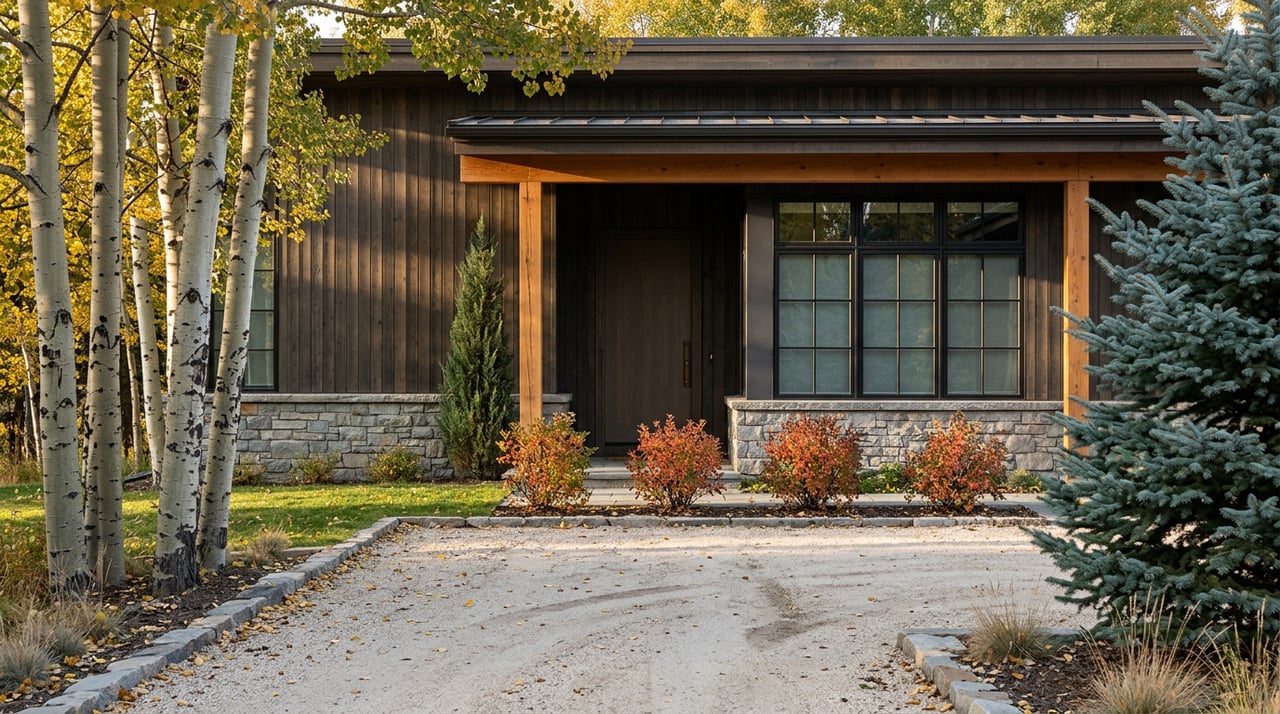
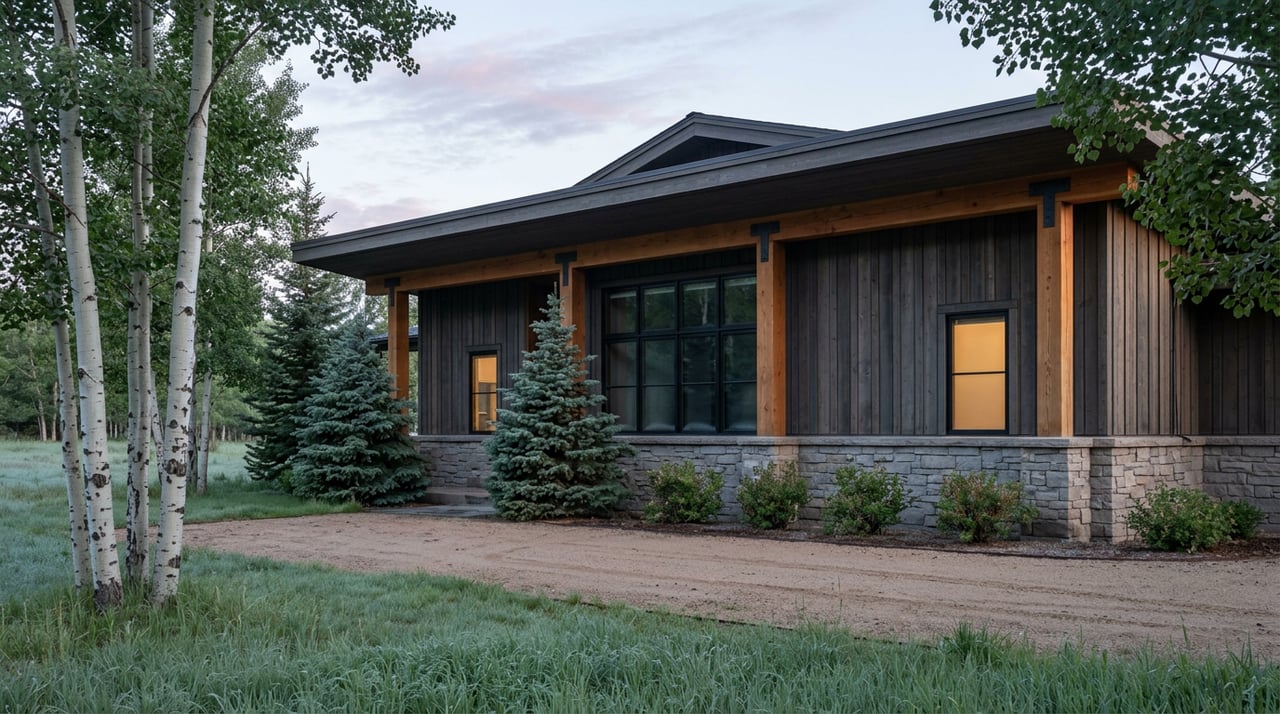
You will see everything from preserved miners’ cottages to expanded single‑family homes and occasional townhomes or duplexes. Condominiums are less common in the historic core. This range supports both classic and contemporary preferences.
Renovations and reviews
Aspen’s historic‑preservation and planning policies guide changes to contributing structures and streetscapes. If you plan to expand or remodel, expect design review and potential restrictions to conserve character. Early conversations with city planning and preservation staff help align scope, timeline, and costs.
Ownership costs and upkeep
Carrying costs reflect high purchase prices and, for older homes, potential maintenance of historic systems and foundations. Insurance and renovation budgets can run higher when working within preserved areas. Clear due diligence reduces surprises.
Market dynamics and value drivers
Scarcity and premium pricing
The West End is scarce by design, with limited inventory, small lots, and strong redevelopment pressure. Walkability, historic architecture, and central location support prices above many outlying neighborhoods. If you value long‑term demand and character, that scarcity is a feature.
Investment and use profile
Common property types include remodeled historic cottages and single‑family homes with additions. Buyers focused on rental income should note that short‑term rentals are regulated and often require permits and tax compliance. Rules evolve, so confirm current requirements before underwriting any nightly rental projections.
Zoning, STRs, and permits
Local zoning and historic review affect height, additions, demolitions, and architectural treatments. Short‑term rental licensing, occupancy limits, and related taxes apply within Aspen and Pitkin County. Verifying the current code and fees early helps you avoid delays and keeps deal math accurate.
Services, schools, and utilities
Everyday amenities
Grocery options, cafés, restaurants, galleries, and medical services are within easy reach due to the neighborhood’s downtown adjacency. Tourist seasons bring busier storefronts, but the compact scale keeps errands efficient. Many residents plan peak visits at off‑hours to keep trips quick.
Schools and community
Aspen’s public and private schools serve the area. School assignments vary by address, so check boundaries for a given property. With Aspen’s compact layout, commutes are typically shorter than in many mountain towns.
City services
Water, sewer, trash, and emergency services are provided by the City of Aspen. Service reliability is typically strong in this established neighborhood. Older infrastructure can prompt occasional localized maintenance or upgrades.
Who the West End fits
- Buyers who want a walkable, in‑town lifestyle with strong architectural character.
- Owners who value immediate access to cultural venues, trails, and dining.
- Renovators ready to work within historic context to create a standout home.
- Long‑term holders who view scarcity and location as core value drivers.
Smart buyer checklist
- Confirm parking: on‑site garage or driveway vs permit‑based street options.
- Walk the block during peak times to gauge seasonal noise and traffic.
- Review historic‑preservation status and design review implications.
- Underwrite renovation scope, timeline, and carrying costs for older systems.
- Verify short‑term rental licensing, taxes, and neighborhood restrictions.
- Map walk times to parks, the Music Tent, and the Rio Grande Trail.
Practical tradeoffs
The West End balances charm and convenience with a few common constraints. Prices are higher and lots are smaller than in many outlying areas. Parking is tighter, and summer festivals boost activity and sound near venues. For many owners, the daily ease and cultural access outweigh these tradeoffs.
How to approach a purchase
Start with a clear brief on lifestyle goals, renovation appetite, and desired street feel. Tour multiple blocks at different times to find the right fit between proximity and privacy. If you plan improvements, engage planning and preservation staff early and budget for design review. For investment lenses, size your operating assumptions to current STR and tax rules and stress‑test carrying costs.
Ready to explore the West End with advice that covers both lifestyle and valuation? Connect with the team that pairs Aspen neighborhood insight with finance‑forward guidance at Lex Tarumianz Realty.
FAQs
How close is the West End to downtown Aspen?
- It is a short walk to downtown amenities, with in‑town distances among Aspen’s shortest.
What should I know about parking in the West End?
- Many homes have private parking, while others rely on public or permit parking. Confirm current resident‑permit rules and any time limits or street‑cleaning schedules.
Are there restrictions on renovating historic homes?
- Yes. Local zoning and historic‑preservation review can affect additions, height, and demolitions. Engage city planning and preservation staff early in your process.
How busy or noisy does it get in summer?
- Expect higher pedestrian and vehicle activity during festival weeks, with occasional amplified sound near venues. Many residents view this as part of the neighborhood’s appeal.
Can I use a West End home for short‑term rentals?
- Short‑term rentals are regulated and typically require permits and tax compliance. Verify current rules with the city and county before relying on STR income.