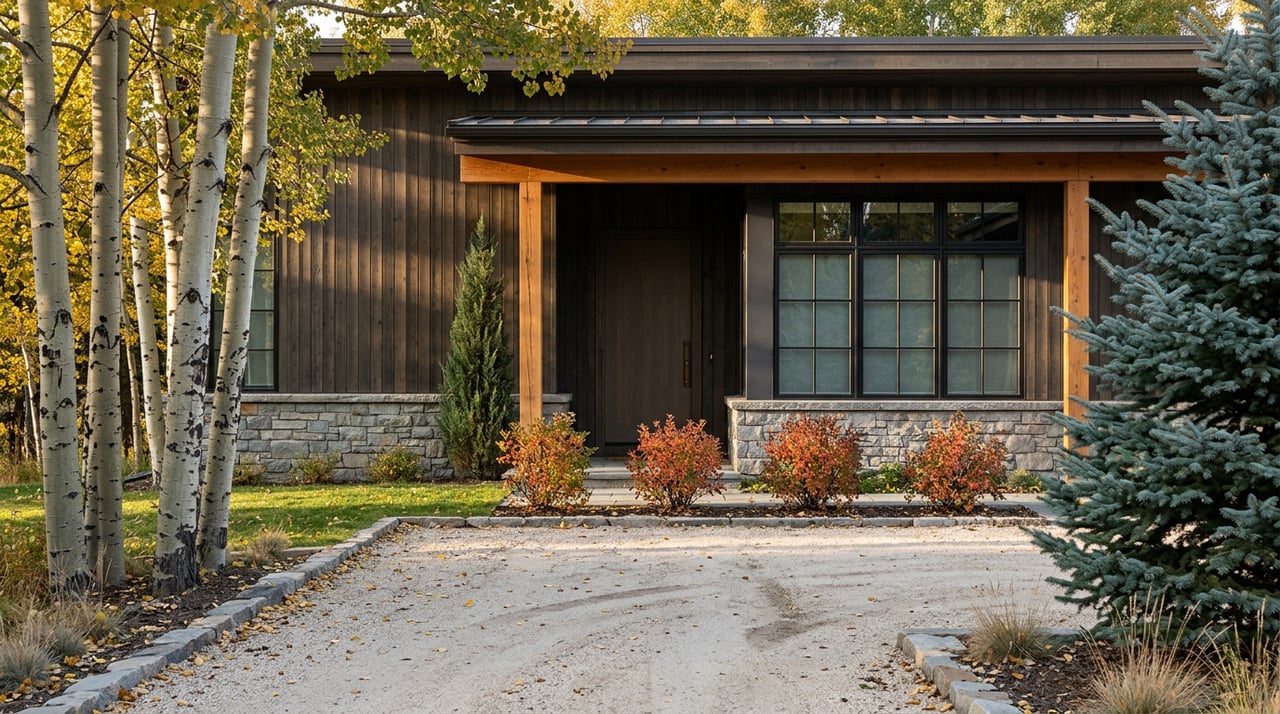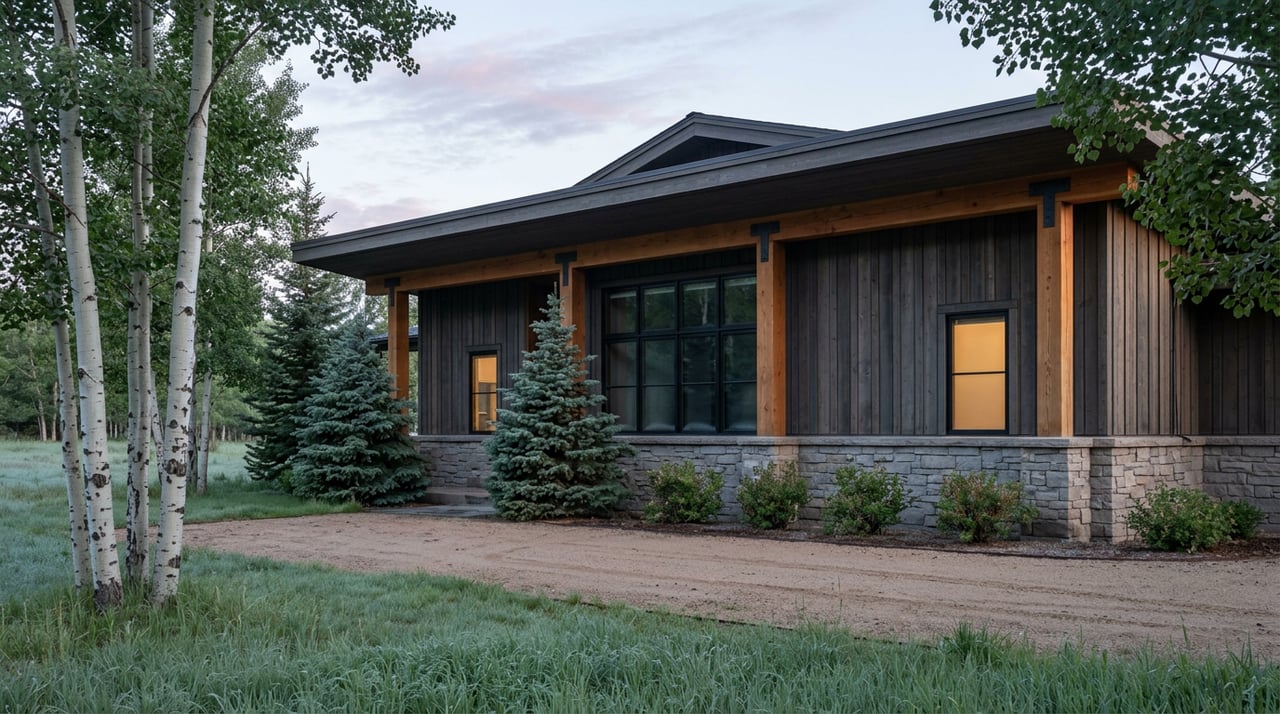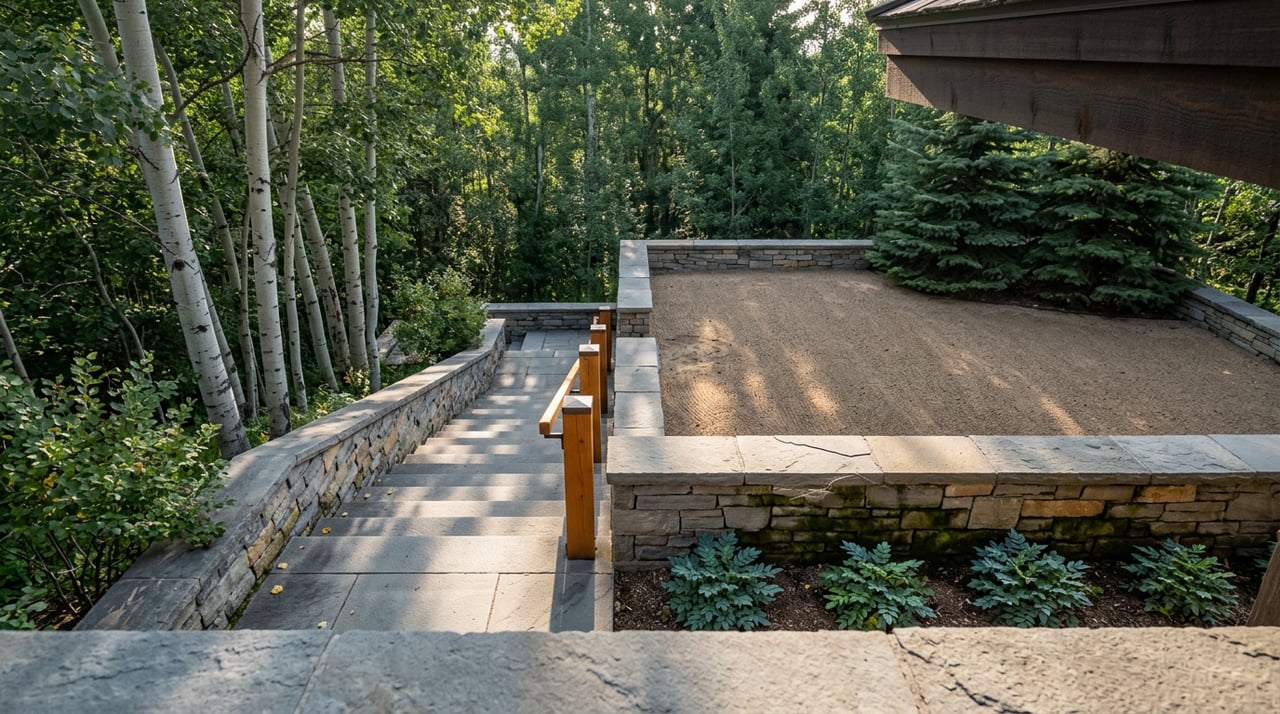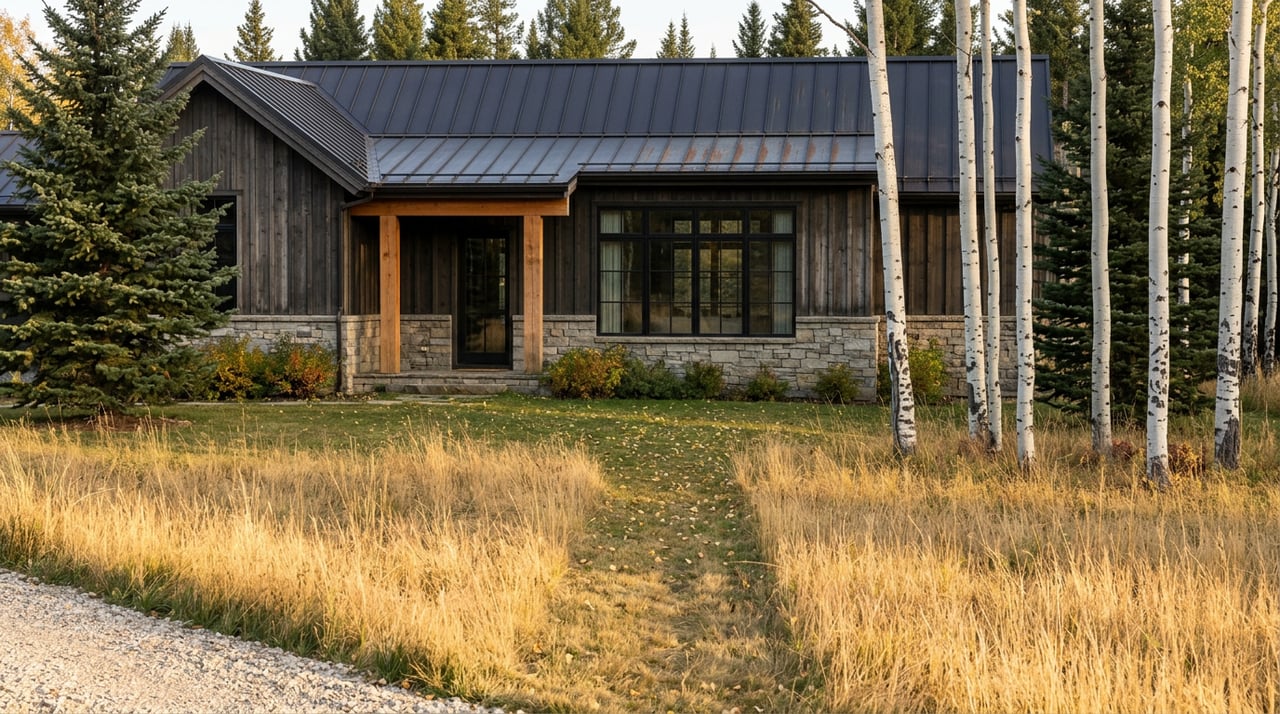
In February 2026, Robb Report profiled a nearly 15,000-square-foot spec estate on Carroll Drive in Starwood, priced at $75 million and described as one of the largest new-construction residences completed in Aspen in recent memory. The house took more than five years to move through design, permitting, and construction. That timeline places the project's original approval on the far side of a Pitkin County rule change that took effect while the house was still being framed.
File the same application today, on the same acreage, in the same subdivision, and the county caps the result at a fraction of that size. The land did not change. The regulation did.
That gap between what Starwood could build a decade ago and what it can build now is the actual story for anyone weighing a purchase in this neighborhood as an investment, not just a lifestyle choice. It changes how a buyer should think about raw land versus an existing large home, and it explains why a handful of Starwood properties now carry an entitlement that cannot be replicated at any price.
What Actually Changed While the House Was Being Built
For most of the last two decades, the reference ceiling for a single-family home across unincorporated Pitkin County, including houses built up with transferable development rights, sat at 15,000 square feet. That number showed up consistently in county planning documents through 2022, and it is the number that made a project the size of Carroll Drive possible in the first place.
Pitkin County's Community Growth Advisory Committee, a 26-member citizen panel appointed by the county commissioners, met for about ten months studying how home size connects to energy use and workforce strain before recommending the county bring that ceiling down. The commissioners acted on it. An ordinance adopted in late 2023 set a new countywide maximum final floor area of 9,250 square feet, with even tighter caps in specific overlay zones like Brush Creek and Emma. A county technical report from 2024 confirms the 9,250-square-foot number is still the operative ceiling, with one carve-out: it does not apply where a project already holds an approval granting larger rights.
That carve-out is the whole mechanism. It is why Carroll Drive exists at nearly 15,000 square feet while a new applicant on the lot next door would be stopped well short of that number. The house was already in the pipeline when the rule changed, so it kept the old entitlement. Anyone starting fresh today inherits the new one.
The Ceiling, Before and After
| Before the 2023 ordinance | Today | |
|---|---|---|
| Countywide reference maximum | 15,000 sq ft | 9,250 sq ft |
| By-right floor area in Starwood and similar rural zones | 5,750 sq ft | 5,750 sq ft, unchanged |
| Effective ceiling on a fresh application, even using TDRs | Up to 15,000 sq ft | 9,250 sq ft, a hard stop absent prior approval |
The by-right number, 5,750 square feet, has not moved. What changed is the room above it. A landowner used to be able to layer transferable development rights on top of that base and work toward the old 15,000-square-foot reference point. Now the same tool runs into a ceiling nearly 40 percent lower, no matter how many TDRs are on the table.
Starwood's Own History With That Tool
Starwood was the first subdivision in Pitkin County to accept transferable development rights, a practice it has followed since 1998 according to its own homeowners association. Since 2013, projects in the neighborhood have landed ten TDRs, roughly one a year, moving square footage from a sending property elsewhere in the county onto a Starwood lot. That track record shows a working local market for the mechanism. It also shows the mechanism's current limit. A TDR can still move a Starwood lot from its 5,750-square-foot base up toward the ceiling. It cannot move it past 9,250 unless the underlying approval predates the ordinance.
For context on where Starwood's building stock actually sits, the neighborhood's own figures from a 2018 snapshot put roughly fifteen homes and remodels under construction with an average size around 9,000 square feet, close to today's new hard cap. That suggests the 9,250-square-foot ceiling is not a dramatic constraint on a typical Starwood home. It is a wall specifically against the outlier, the estate built to Carroll Drive's scale, which is exactly the category that just got harder to reproduce.
What This Means for Land Versus an Existing Large Home
A buyer evaluating an undeveloped Starwood parcel today should price it against a 9,250-square-foot ceiling, not the 15,000-square-foot reference that shaped the neighborhood's most photographed estates. That is a real difference in what the land can eventually support, and it should show up in what raw acreage is worth relative to a finished large home that already carries the older entitlement.
Conversely, an existing Starwood house built to something closer to the old ceiling now holds a floor area that cannot be issued again on a comparable lot. That is not a marketing claim. It follows directly from the ordinance's own grandfather language. A buyer purchasing that kind of home is not just buying square footage. They are buying a permit that the county will not write twice.
None of this touches Starwood's other advantages, the 24-hour gatehouse, the on-site fire station completed in 2019, and the tennis courts and horse pastures that come with the metro district. Those amenities are unchanged and worth their own conversation. What has changed is the ceiling on what can be built from scratch, and that is a variable every serious buyer in this price range should be running through their own numbers before they compare a lot to a finished house.
FAQ
Does the 9,250-square-foot cap apply to remodeling an existing large home? The grandfather language in the county's ordinance protects prior approvals. A home that already holds rights above 9,250 square feet keeps that entitlement. A buyer considering a remodel or addition on any Starwood property should confirm the specific approval history for that lot before assuming either the old or new ceiling applies.
Can a Starwood lot still use transferable development rights? Yes. Starwood has accepted TDRs since 1998 and has landed ten of them since 2013. The tool still works. It now tops out at the countywide 9,250-square-foot maximum rather than the 15,000-square-foot reference that applied before the 2023 ordinance.
Is Carroll Drive the only Starwood property with this kind of grandfathered entitlement? It is the one that has drawn national coverage for its size, but the same grandfather clause applies to any Starwood project whose approval was on file before the ordinance took effect. Identifying which specific parcels carry that status requires a records check on the individual property, not an assumption based on the neighborhood alone.
Buyers weighing land against an existing large home in Starwood or McClain Flats are really weighing two different regulatory eras against each other. That comparison deserves the same rigor as any other valuation question. If you are trying to work out what a specific parcel or property in this neighborhood is actually entitled to build, Lex Tarumianz can walk through the approval history with you and put the numbers in context before you make an offer. Request a Confidential Consultation.